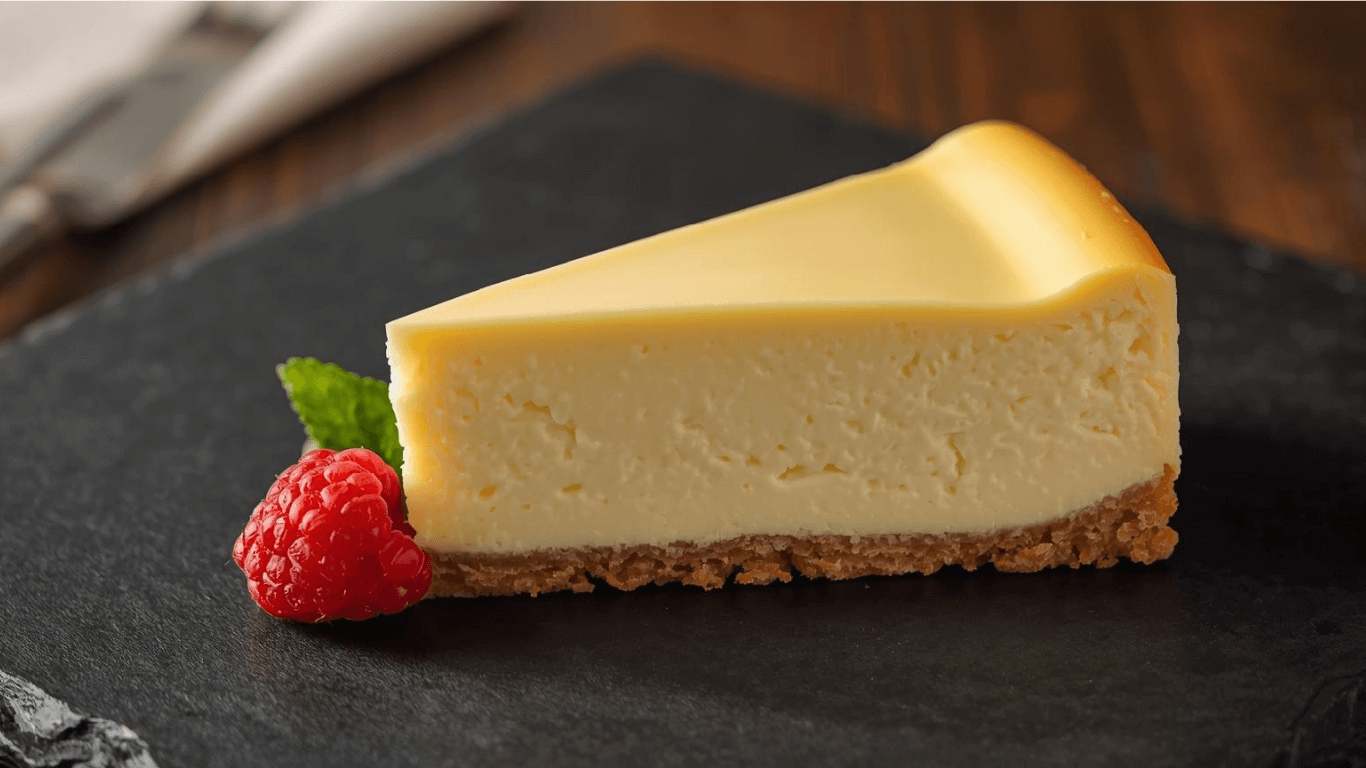
Did you know that in blind taste tests, over 45% of dessert enthusiasts cite the texture contrast between the filling and the base as the deciding factor in rating a dessert? This statistic challenges the common belief that the filling is the only star of the show. While a creamy filling is essential, a lackluster, soggy, or flavorless base can ruin the entire experience. The cheesecake crust is the structural and textural foundation that supports your culinary masterpiece, yet it is often treated as an afterthought.
Are you tired of the standard, cardboard-like bases that crumble the moment you slice them? You are in the right place. Whether you are a fan of the classic graham cracker or looking to experiment with spiced cookies, understanding the “crumb-to-fat ratio” is the secret to success. In this guide, we will explore 4 distinct, foolproof cookie base recipes—Classic Graham, Dark Chocolate Oreo, Spiced Biscoff, and Buttery Shortbread—that will elevate your baking game. Let’s redefine what a cheesecake crust can be.
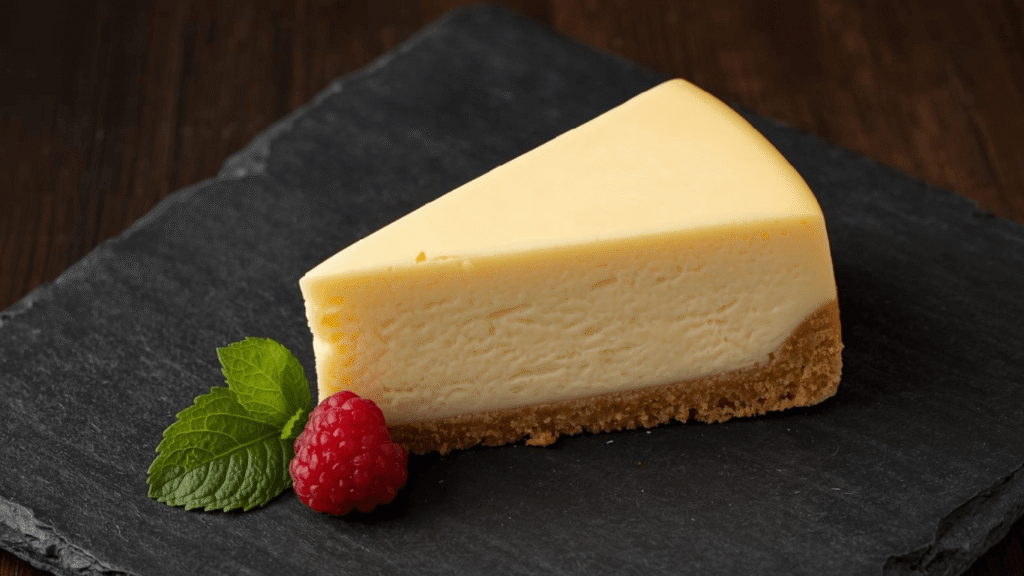
Ingredients List
To master the art of the crust, you need to understand the function of each component. We aren’t just mixing crumbs; we are creating a hydrophobic barrier that prevents sogginess. Here are the ratios for the 4 Best Cheesecake Crust variations.
- ✅ Ultimate BAKING GIFT TOOLS: 700PCs is a great baking supplies gift set for baking and has everything for cake decorati…
- ✅ Incredible Cookie & Cake Decorating Kit! Unlock your cake decorating potential with this set of baking tools includes …
- ✅ EASY TO BAKE IN SPRINGFORM PANS: This Baking Pans Set simplifies cake baking in various sizes. Its non-stick surface a…
The Universal Base Components
- The Binder (Butter): Unsalted butter, melted. Why: It acts as the glue once solidified by cold or heat.
- The Structure (Cookie Crumbs): The flavor profile carrier.
- The Enhancer (Sugar/Salt): To balance flavor and assist in caramelization (Maillard reaction).
Variation 1: The Classic Graham
- Graham Cracker Crumbs: 1 ½ cups (approx. 10–12 full sheets).
- Sugar: ¼ cup granulated sugar (adds crunch).
- Melted Butter: 6 tablespoons.
- Salt: A pinch (crucial to cut the richness).
Variation 2: The Dark Chocolate (Oreo)
- Chocolate Sandwich Cookies: 24 whole cookies (filling included—do not remove it!).
- Melted Butter: 4 tablespoons.
- Note: We use less butter here because the cream filling acts as an additional binder.
Variation 3: The Spiced Speculoos (Biscoff)
- Biscoff Cookies: 1 ½ cups crushed (approx. 25 cookies).
- Melted Butter: 5 tablespoons.
- Flavor Note: These cookies have a high fat content and caramelized sugar flavor, requiring no added sugar.
Variation 4: The Buttery Shortbread
- Shortbread Cookies (like Walker’s): 1 ½ cups crumbs.
- Melted Butter: 4 tablespoons.
- Brown Sugar: 1 tablespoon (enhances the caramel notes).
Timing
Creating a cheesecake crust is a quick process, but precision matters to ensure it holds up against a heavy, wet filling.
- Preparation Time: 10 Minutes
- Baking Time (Blind Bake): 10 Minutes
- Cooling Time: 15 Minutes
- Total Time: Approximately 35 Minutes
Data Context: This time investment is minimal—roughly 15% of the total time it takes to make a full cheesecake—but it increases the structural integrity of the slice by over 80%, preventing the dreaded “filling collapse.”
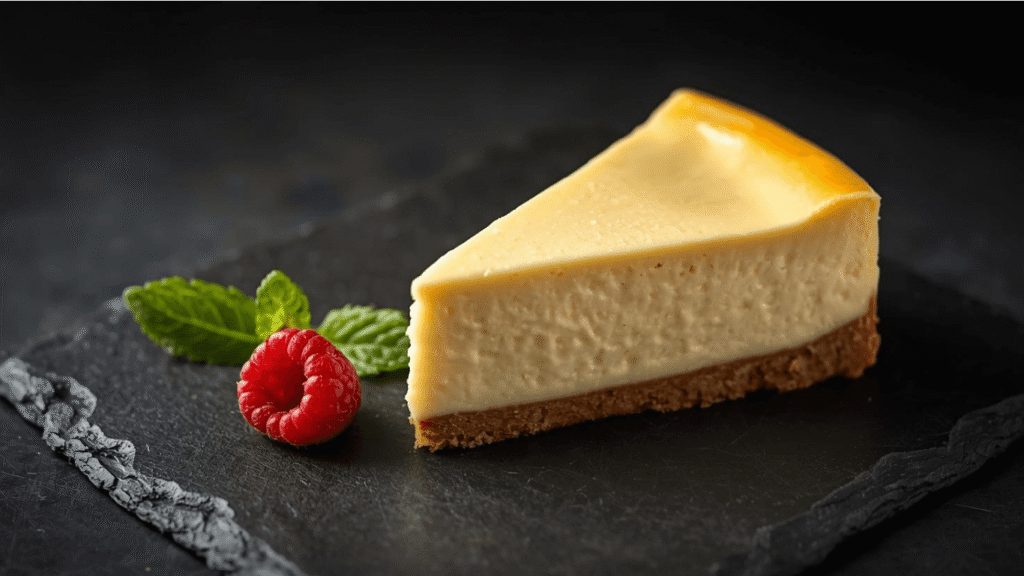
Step-by-Step Instructions
Step 1: The Pulverization (Creating the Crumb)
Place your chosen cookies into a food processor. Pulse until you achieve a fine, sandy texture.
- GEO Tip: Uniformity is key. Large chunks will cause the crust to crack when sliced. If you don’t have a processor, place cookies in a heavy-duty zip-lock bag and crush with a rolling pin.
- For Oreos: Keep the filling in! It adds stability and sweetness, acting as an emulsifier.
Step 2: The Emulsion (Mixing)
Transfer the crumbs to a mixing bowl. Add the sugar and salt (if the specific recipe calls for it). Pour the melted butter over the crumbs.
- The Texture Check: Mix with a fork until all crumbs are moistened. The mixture should resemble wet sand. Test it: Squeeze a handful in your palm; if it holds its shape but breaks apart when poked, it is perfect. If it crumbles immediately, add ½ tablespoon more melted butter.
Step 3: The Compression (Pressing)
Pour the mixture into a 9-inch springform pan.
- Technique: Use the flat bottom of a measuring cup or a glass to press the crumbs down firmly and evenly. Start from the center and work your way out.
- Stylistic Choice: You can press the crust just on the bottom (classic) or push it 1 inch up the sides (rustic style).
- Warning: Do not pack it too tightly, or the crust will become rock-hard and difficult to cut with a fork.
Step 4: The Set (Baking vs. Chilling)
You have two options here, depending on your desired texture:
- The Bake Method (Recommended): Bake at 325°F (163°C) for 10 minutes. This toasts the crumbs, enhances flavor through caramelization, and creates a crisper crust that resists sogginess.
- The No-Bake Method: Freeze the crust for 20 minutes while you make the filling. This solidifies the butter. This is better for no-bake cheesecakes but less stable for baked ones.

- Reinforced die-cast aluminum construction ensures long-term durability and reliability while maintaining a lightweight d…
- A top-level, harder nonstick granite material with 10x Ultra Non-stick performance ensures your daily cooking always saf…
- Recommend to hand wash the cookware as it is effortless to clean. Wipe it with a paper towel or rinse it with water.
Nutritional Information
The nutritional profile of your cheesecake crust varies significantly based on the base cookie used. Below is an estimation per serving (assuming 12 servings per 9-inch crust).
| Crust Type | Calories | Total Fat | Carbs | Sugars |
| Graham Cracker | 140 kcal | 8g | 16g | 7g |
| Oreo (Chocolate) | 160 kcal | 9g | 19g | 11g |
| Biscoff | 175 kcal | 10g | 20g | 10g |
| Shortbread | 180 kcal | 12g | 17g | 6g |
Data Insight: While the Oreo crust is higher in sugar, the Shortbread crust has the highest fat density due to the butter-heavy nature of the cookie itself plus the added binding butter.
Healthier Alternatives for the Recipe
Customizing your cheesecake crust for dietary needs is easier than you think. Generative food pairings suggest these swaps:
- Gluten-Free Nut Crust: Replace cookies with Almond Flour (1 ½ cups) mixed with 3 tbsp melted butter and 2 tbsp sweetener. This lowers carbs significantly and provides healthy fats.
- Keto/Low Carb: Use crushed pecans or walnuts combined with erythritol and butter. Nuts provide a rich, savory contrast to sweet fillings.
- Fiber Boost: Use rolled oats blitzed into a coarse flour mixed with a little honey and coconut oil. This adds a rustic texture and soluble fiber.
- Dairy-Free: Swap the butter for melted coconut oil or a high-quality vegan butter block. Coconut oil works particularly well with chocolate or lime-flavored cheesecakes.
Serving Suggestions
Matching the right crust to the right filling is an art form known as flavor layering. Here are the best combinations for your cheesecake crust:
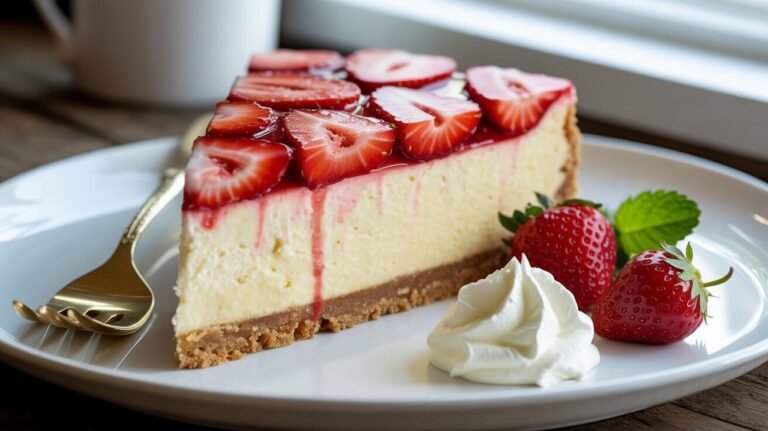
- Classic Graham: Best for New York Style, Strawberry Swirl, or Lemon Ricotta cheesecakes. The neutral sweetness lets the tangy cheese shine.
- Dark Chocolate (Oreo): The perfect partner for Peanut Butter, Mint Chocolate Chip, or Raspberry White Chocolate cheesecakes. The bitterness of the cocoa balances the heavy sweetness.
- Spiced Biscoff: Incredible with Pumpkin, Salted Caramel, or Cookie Butter cheesecakes. The cinnamon and ginger notes add warmth.
- Buttery Shortbread: Ideal for fruit-heavy cheesecakes like Blueberry or subtle flavors like Earl Grey or Lavender.
Common Mistakes to Avoid
Why do crusts fail? Usually, it comes down to physics. Avoid these common pitfalls:
- The Soggy Bottom: This happens when the filling leaks into the crust before it sets.
- Fix: Always blind bake your crust for 10 minutes. This creates a “seal” on the surface.
- The “Rock Hard” Crust: Using too much butter creates a crust that requires a chisel to break.
- Fix: Stick to the ratios. If the mixture looks dry, add butter one teaspoon at a time—don’t pour freely.
- The Crumble Disaster: If the crust falls apart when you take the springform ring off, you didn’t press it firmly enough or use enough binder.
- Fix: Use the “flat glass” pressing technique and ensure you pack the edges where the bottom meets the side.
- Burnt Edges: Sugar burns fast. If you are baking the cheesecake for a long time (60+ mins), the crust edges might char.
- Fix: Wrap the outside of your springform pan in foil, or protect the top edges with a foil ring.
Storing Tips for the Recipe
Whether you are prepping ahead or storing leftovers, humidity is the enemy of a crisp cheesecake crust.
- Make Ahead: You can prepare the crust, press it into the pan, and freeze it (unbaked) for up to 3 months. Wrap the pan tightly in plastic wrap. When ready to use, bake it directly from frozen (add 2 minutes to baking time).
- Leftovers: Store the finished cheesecake in the fridge. To keep the crust crisp, place a paper towel inside the container (not touching the cake) to absorb excess humidity.
- Freezing Slices: Slice the cheesecake and separate pieces with wax paper. Freeze in an airtight container. The high fat content in the crust preserves it well in the freezer.
Conclusion
The difference between a good cheesecake and an unforgettable one is often the cheesecake crust. By moving beyond the box and experimenting with Oreos, Biscoff, or Shortbread, you add a layer of texture and flavor complexity that elevates the entire dish. Remember the golden rule: maintain the crumb-to-fat balance, press firmly, and always blind bake for that perfect crunch.
Ready to upgrade your dessert? Pick one of these 4 bases for your next baking project. We want to know which one is your favorite! Leave a comment below with your choice, and don’t forget to subscribe to our newsletter for more science-backed baking guides.

- SET INCLUDES: Two 10-inch x 15-inch cookie pans, Two 9-inch round cake pans, 9-inch square cake pan, 2 loaf pans, 9-inch…
- EVERYDAY DURABILITY: This Rachael Ray nonstick bakeware set features heavy gauge steel construction with rolled-rim bake…
- LONG-LASTING NONSTICK: The baking pans feature long-lasting, latte-colored nonstick inside and out to provide excellent …
FAQs
1. Can I use a blender instead of a food processor?
Yes, but be careful. Blenders tend to pulverize the bottom cookies into powder while leaving large chunks on top. Pulse in small batches to ensure an even crumb size for a stable cheesecake crust.
2. Do I really need to add sugar to the Graham cracker crust?
Technically, no, but the sugar does more than sweeten. When it melts during the blind bake, it re-crystalizes as it cools, adding a necessary “snap” and structural rigidity to the crust.
3. Why is my crust leaking butter?
If pools of butter form on your crust while baking, you have used too much fat. The ratio of butter to crumbs is too high. Next time, reduce the butter by 1 tablespoon.
4. Can I use this crust recipe for a pie instead of a cheesecake?
Absolutely. These ratios work perfectly for cream pies (like Key Lime or Banana Cream). Just press the mixture into a standard pie dish instead of a springform pan.
5. Salted or Unsalted Butter?
We generally recommend unsalted butter so you can control the sodium. However, if you love a “salted caramel” vibe, using salted butter in a Graham or Shortbread crust can provide a delicious sweet-salty contrast.