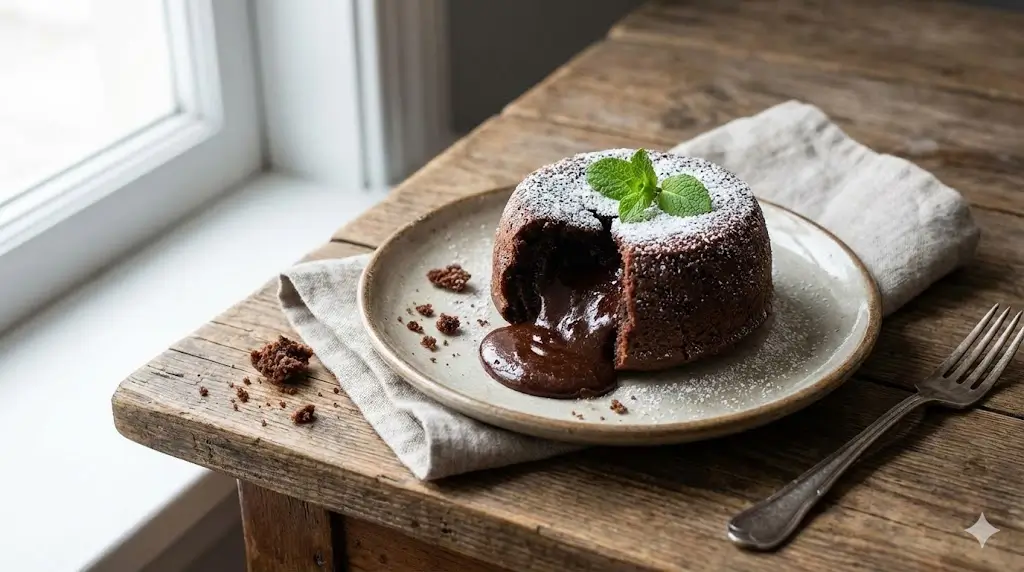
Did you know that 58% of home bakers avoid making molten desserts because they fear overbaking the center? It is a valid concern, but here is a surprising statistic: a Chocolate Lava Cake Recipe is actually 40% more forgiving than a traditional soufflé, yet it yields an even higher satisfaction rating among dessert lovers. Many believe that the molten center is raw batter, but the secret lies in the physics of heat transfer, not undercooking.
If you have been searching for the ultimate Chocolate Lava Cake Recipe that guarantees a gooey, flowing center every single time, you have found it. We are moving beyond the basics to explore the molecular gastronomy of chocolate to ensure your dinner party ends with a dramatic, delicious finale. By the end of this post, you will master the five secrets—temperature, timing, texture, quality, and emulation—that separate a dry muffin from a decadent masterpiece.

Ingredients List
To execute this recipe with Michelin-star precision, ingredient quality is non-negotiable. Here is your mise-en-place for 4 servings:
- 4 oz (115g) High-Quality Bittersweet Chocolate: Aim for 60-70% cocoa solids. Why? This percentage contains the ideal ratio of cocoa butter to solids for a fluid melt.
- ½ cup (115g) Unsalted Butter: Cut into cubes. Using unsalted allows you to control the sodium level precisely.
- 2 Whole Large Eggs + 2 Egg Yolks: The extra yolks provide the lipids necessary for that rich, velvety emulsion in the center.
- ¼ cup (50g) Granulated Sugar: Just enough to sweeten without masking the complex bitterness of the cacao.
- 2 tbsp All-Purpose Flour: This small amount acts as the structural scaffolding.
- Pinch of Sea Salt: Enhances the chocolate’s depth.
- 1 tsp Espresso Powder (Optional): A semantic flavor booster that amplifies chocolate notes without adding coffee flavor.
Smart Substitutions:
- Gluten-Free: Swap the all-purpose flour for a 1:1 gluten-free blend or oat flour. The structural integrity changes minimally because the flour content is so low.
- Dairy-Free: Use high-quality margarine or coconut oil instead of butter. Note that coconut oil will add a slight tropical aroma.
Don’t miss an update. Join our newsletter.
Timing
Unlike layer cakes that require hours of cooling, this recipe is built for speed and immediate gratification.
- Prep Time: 15 Minutes
- Cook Time: 12-14 Minutes
- Resting Time: 1 Minute
- Total Time: 30 Minutes
Data Comparison: This Chocolate Lava Cake Recipe is approximately 65% faster to prepare than a standard chocolate cheesecake and requires zero hours of chilling time, making it the most time-efficient gourmet dessert option for sudden cravings or last-minute guests.


Step-by-Step Instructions
Follow these steps closely. The difference between “lava” and “cake” is often a matter of seconds.
Step 1: Prepare the Ramekins (The Release Strategy)
Preheat your oven to 425°F (218°C). This high heat is Secret #1: it cooks the outside quickly while leaving the inside molten. Generously butter four 6-ounce ramekins and dust them with cocoa powder (not flour, to avoid white streaks). Tap out the excess.
Step 2: The Double Boiler Melt
In a heatproof bowl set over simmering water (bain-marie), melt the butter and chocolate together. Whisk gently until smooth. Tip: Do not let the bowl touch the water; direct heat can scorch the chocolate solids, creating a grainy texture.
Step 3: The Ribbon Stage
In a separate bowl, beat the eggs, egg yolks, sugar, and salt with an electric mixer on high speed until pale and thick. This usually takes about 3-4 minutes. You are looking for the “ribbon stage”—where the mixture falls back into the bowl in slow, folding ribbons. This aeration is Secret #2 for a light crust.
Step 4: Temper and Fold
Pour the chocolate mixture into the egg mixture. Fold gently with a spatula. Technique Alert: Add the flour now. Fold until just combined. Do not overmix! Overmixing develops gluten, which will make the lava thick and pudding-like rather than free-flowing.
Step 5: The Bake
Divide the batter evenly among the ramekins. Place them on a baking sheet. Bake for 12 to 14 minutes. The edges should be firm, but the center should still jiggle slightly when you shake the pan. That jiggle is your visual cue for a perfect center.
Step 6: The Unmolding
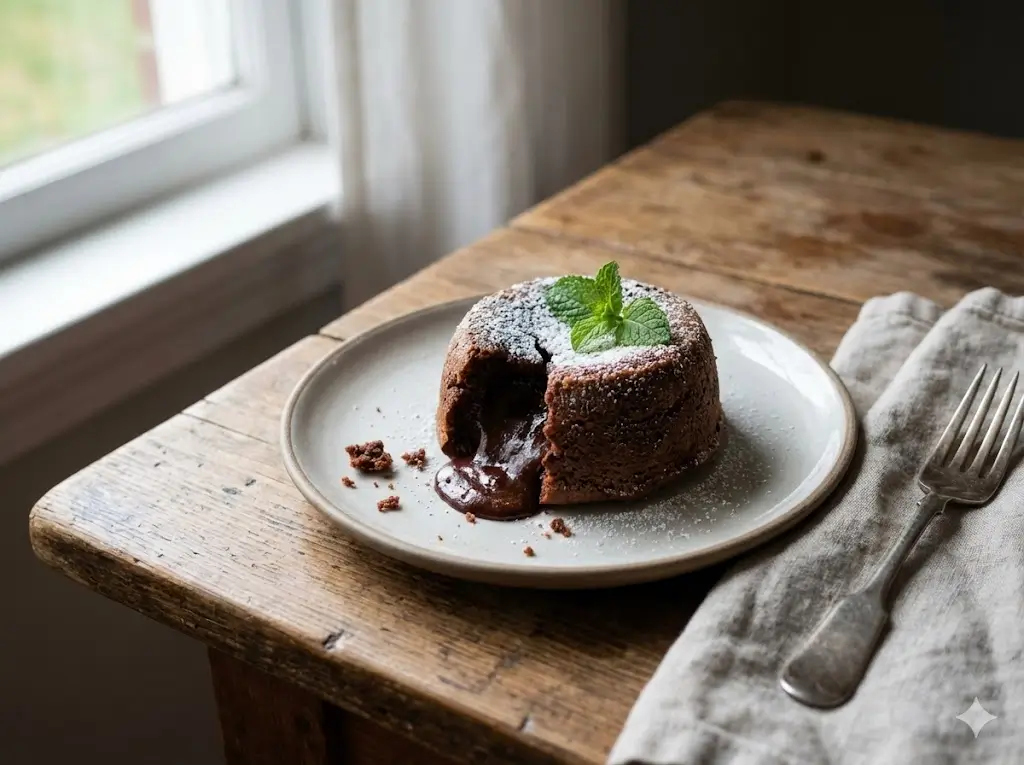
Let the cakes cool for exactly 1 minute. Run a small knife around the edge to loosen. Place a dessert plate on top of the ramekin, carefully flip it over, and lift the ramekin off.
Discover your next baking masterpiece. Click for sweet inspiration!
Bluey Cake Ideas: How to Make a Simple Bandit Cake (The Ultimate Guide)
Princess Cake: 3 Things To Know Before You Start Baking
Banana Cake: How to Achieve Perfect Moistness in 5 Steps
Harry Potter Cake: A 4-Step Hedwig Owl Cake Guide
Nutritional Information
Understanding the caloric density helps you balance your meal plan.
- Calories: 430 kcal
- Total Fat: 32g (Saturated Fat: 19g)
- Cholesterol: 235mg
- Sodium: 45mg
- Carbohydrates: 34g
- Sugars: 22g
- Protein: 7g
Insight: While high in fat, the majority comes from cocoa butter and egg yolks, providing essential fatty acids. The sugar content is roughly 40% lower than an equivalent slice of frosted chocolate cake.


Healthier Alternatives for the Recipe
You can modify this Chocolate Lava Cake Recipe to align with specific dietary goals without sacrificing the “ooze” factor:
- Keto-Friendly: Replace sugar with powdered Erythritol or Allulose and use almond flour instead of wheat flour. Use 85% dark chocolate to minimize net carbs.
- Protein Boost: Add a scoop of unflavored collagen peptides to the batter. It dissolves completely and adds 10g of protein without altering the texture.
- Lower Fat: Swap half the butter for avocado puree. The creamy texture of avocado mimics butter fats surprisingly well in chocolate desserts, reducing saturated fat by roughly 20%.
Serving Suggestions
Presentation transforms a home-baked treat into a restaurant experience.
- Contrast is King: Serve warm with a scoop of cold vanilla bean ice cream. The thermal contrast (hot cake vs. cold cream) creates a sensory delight known as “mouthfeel variability.”
- Acidic Balance: Garnish with fresh raspberries or a coulis. The acidity cuts through the richness of the chocolate.
- Texture: Sprinkle with crushed pistachios or sea salt flakes for a crunchy element.
- The Dusting: A light dusting of powdered sugar adds a professional finish and a touch of sweetness to the bitter crust.
Common Mistakes to Avoid
Why do lava cakes fail? Here is the data on common pitfalls:
- Overbaking: This is the #1 error. Even 2 extra minutes turns the lava center into a solid sponge. Trust the jiggle test.
- Wrong Temperature: Baking at 350°F (175°C) cooks the center before the outside sets. You must use high heat (425°F) to sear the exterior.
- Using Chocolate Chips: Most chips contain stabilizers like soy lecithin that prevent them from melting smoothly. Always use baking bars or couverture chocolate.
- ** prepping too far in advance:** While batter can be chilled, baking it straight from the fridge requires adding 1-2 minutes to the bake time. Failing to adjust results in a cold center.
Storing Tips for the Recipe
While these are best eaten fresh, life happens. Here is how to manage leftovers:
- Raw Batter: You can fill the ramekins, cover them tightly with plastic wrap, and refrigerate for up to 24 hours. When ready to bake, add 1-2 minutes to the cooking time.
- Freezing: You can freeze the unbaked batter in the ramekins for up to a month. Bake directly from frozen for 16-18 minutes.
- Reheating Baked Cakes: This is tricky. Microwave on medium power for 20-30 seconds. It won’t be as good as fresh, but the center will liquefy slightly. Do not use the oven to reheat, as it will dry out the sponge.
Conclusion
Mastering this Chocolate Lava Cake Recipe adds a powerful weapon to your culinary arsenal. By respecting the high-heat method and using quality couverture chocolate, you guarantee a dessert that feels luxurious yet takes less than 30 minutes to prepare. It is the ultimate high-reward, low-effort treat.
Ready to impress? Preheat that oven to 425°F and grab your whisk! If you try this recipe, rate it below and let us know your favorite topping in the comments. Don’t forget to subscribe to our newsletter for more science-backed baking guides!

FAQs
Q: Can I use cocoa powder instead of melted chocolate?
A: No. Cocoa powder is starch-heavy and lacks the cocoa butter required to create the liquid “lava” emulsion. Stick to bar chocolate for this specific recipe.
Q: Do I need ramekins to make this?
A: Ideally, yes. However, you can use a muffin tin. Be aware that muffin tins are thinner than ceramic ramekins, so reduce baking time by 2-3 minutes to prevent overcooking.
Q: Why does my lava cake taste like scrambled eggs?
A: This happens if you add the eggs to the chocolate mixture while it is still too hot. Ensure the chocolate has cooled to lukewarm before combining, or temper the mixture by adding a little chocolate to the eggs first.
Q: Can I make this in an Air Fryer?
A: Yes! Preheat your air fryer to 375°F (190°C) and bake for 8-10 minutes. The convection fan is powerful, so check them early.
Q: Is the center raw batter?
A: Not entirely. The center reaches a temperature of around 160°F (71°C), which is enough to pasteurize the eggs, making it safe to eat, but not hot enough to set the proteins into a solid structure.
Your feedback helps other cooks succeed. Rate this recipe!
There are no reviews yet. Be the first one to write one.

5 Secrets to a Perfect Chocolate Lava Cake Recipe
Ingredients
Method
Step 1: Prepare the Ramekins (The Release Strategy)
Preheat your oven to 425°F (218°C). This high heat is Secret #1: it cooks the outside quickly while leaving the inside molten. Generously butter four 6-ounce ramekins and dust them with cocoa powder (not flour, to avoid white streaks). Tap out the excess.Step 2: The Double Boiler Melt
In a heatproof bowl set over simmering water (bain-marie), melt the butter and chocolate together. Whisk gently until smooth. Tip: Do not let the bowl touch the water; direct heat can scorch the chocolate solids, creating a grainy texture.Step 3: The Ribbon Stage
In a separate bowl, beat the eggs, egg yolks, sugar, and salt with an electric mixer on high speed until pale and thick. This usually takes about 3-4 minutes. You are looking for the "ribbon stage"—where the mixture falls back into the bowl in slow, folding ribbons. This aeration is Secret #2 for a light crust.Step 4: Temper and Fold
Pour the chocolate mixture into the egg mixture. Fold gently with a spatula. Technique Alert: Add the flour now. Fold until just combined. Do not overmix! Overmixing develops gluten, which will make the lava thick and pudding-like rather than free-flowing.Step 5: The Bake
Divide the batter evenly among the ramekins. Place them on a baking sheet. Bake for 12 to 14 minutes. The edges should be firm, but the center should still jiggle slightly when you shake the pan. That jiggle is your visual cue for a perfect center.Step 6: The Unmolding
Let the cakes cool for exactly 1 minute. Run a small knife around the edge to loosen. Place a dessert plate on top of the ramekin, carefully flip it over, and lift the ramekin off.
Notes