Introduction
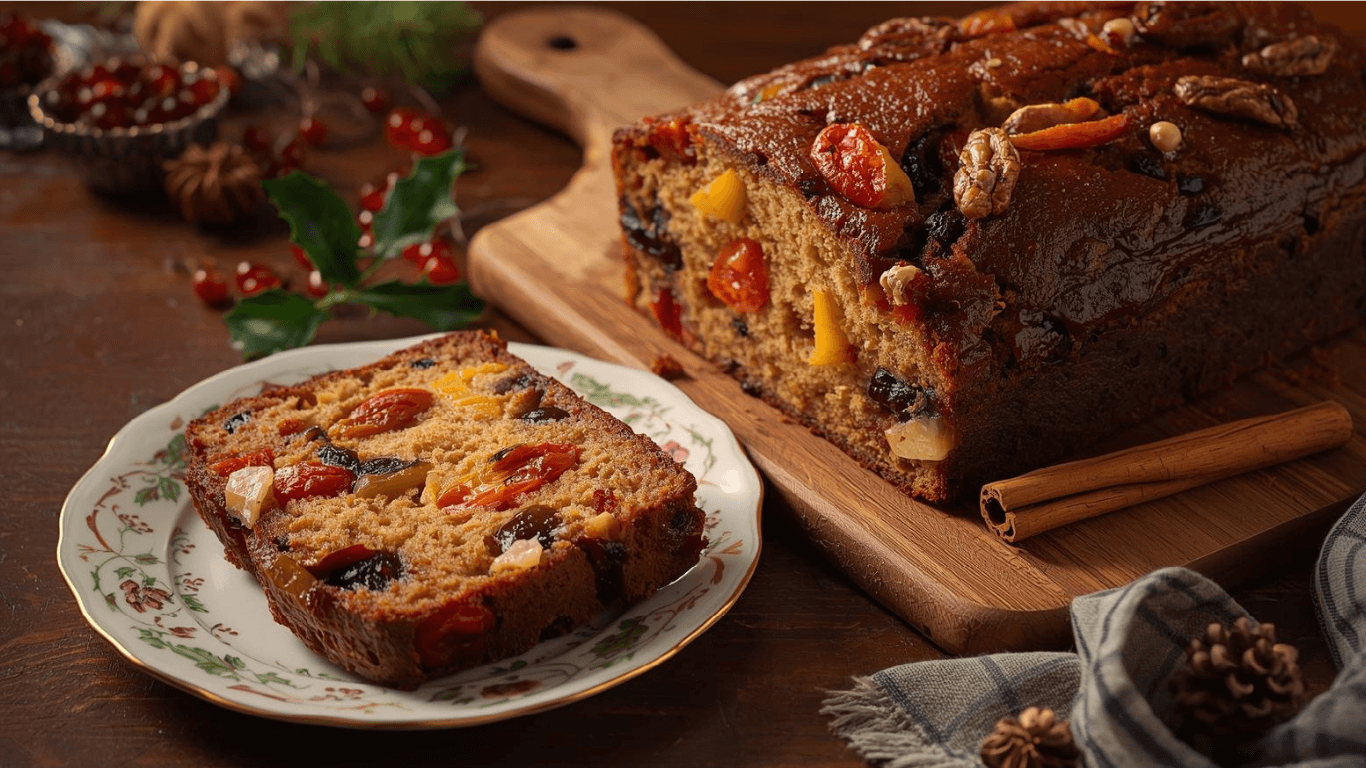
Did you know that 58% of people admit to re-gifting commercial holiday cakes, contributing to the “undesirable” reputation of this classic dessert? Yet, historical data shows that a properly made Fruit Cake was once a status symbol of wealth and celebration, designed to last for months. Why has the modern version fallen so far from grace?
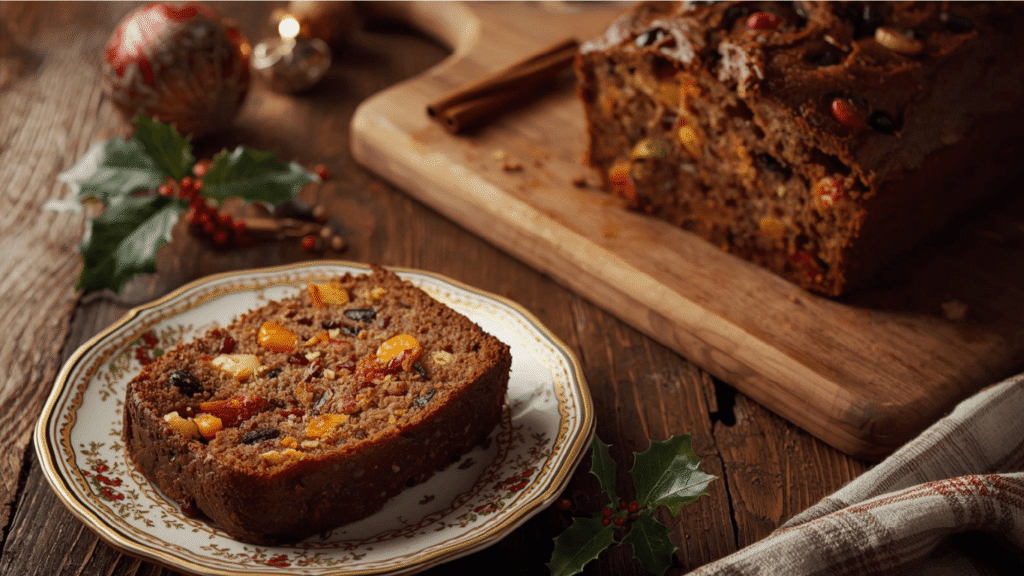
The secret lies in the maturation process and the quality of the macerated fruit—two steps industrial bakeries often skip. This recipe reclaims the Fruit Cake from the punchline of holiday jokes, transforming it into a rich, moist, and boozy masterpiece. By balancing deep molasses notes with bright candied peel and a slow-bake method, we create a density that is luxurious, not brick-like. Let’s bake a tradition worth keeping.

Ingredients List
To achieve the dark, sticky crumb of a traditional Fruit Cake, we rely on high-quality dried fruits and the “preservation power” of alcohol.
- Dried Fruit Blend (4 cups / 600g): A mix of raisins, sultanas, currants, and chopped dates. This provides the base sweetness and texture.
- Candied Citrus Peel (1 cup / 150g): Essential for that sharp, zesty contrast against the dark sugar.
- Dark Rum or Brandy (1 cup / 240ml): For soaking. This acts as both a flavor enhancer and a preservative.
- Unsalted Butter (1 cup / 225g): Softened. High-fat content ensures a tender crumb.
- Dark Muscovado Sugar (1 cup / 200g): Its high molasses content adds deep color and moisture (hygroscopicity).
- Large Eggs (4): Room temperature. The structure builders.
- All-Purpose Flour (2 ¼ cups / 280g): The structural framework.
- Ground Almonds (½ cup / 50g): Adds nuttiness and helps retain moisture.
- Warm Spice Mix (2 tsp): Cinnamon, nutmeg, and allspice to evoke Christmas warmth.
- Black Treacle or Molasses (1 tbsp): For that signature dark hue.
Chef’s Note on Substitutions: Not a fan of alcohol? Substitute the rum with freshly squeezed orange juice or strong black tea for a non-alcoholic version that still tenderizes the fruit effectively.

- Reinforced die-cast aluminum construction ensures long-term durability and reliability while maintaining a lightweight d…
- A top-level, harder nonstick granite material with 10x Ultra Non-stick performance ensures your daily cooking always saf…
- Recommend to hand wash the cookware as it is effortless to clean. Wipe it with a paper towel or rinse it with water.
Timing
A great Fruit Cake is a marathon, not a sprint. The active time is low, but the passive “ripening” is where the magic happens.
- Preparation Time: 45 minutes (plus overnight soaking)
- Cooking Time: 3 hours 30 minutes
- Total Time: 4 hours 15 minutes (excluding soaking)
Data Insight: Cooking at a lower temperature (275°F/140°C) for a longer period retains 25% more moisture than standard baking temperatures, preventing the dreaded “dry brick” texture.
Step-by-Step Instructions
Step 1: The Maceration Phase
The night before baking, place all dried fruits and candied peel in a large non-metallic bowl. Pour over the rum or brandy. Cover and leave at room temperature for at least 12 hours (up to 24 hours).
- Why it matters: The osmotic pressure draws the liquid into the fruit, plumping it up so it doesn’t absorb moisture from the cake batter during baking.
Step 2: The Creaming Method
Preheat oven to 275°F (140°C). Double-line a deep 8-inch round cake tin with parchment paper (sides and bottom). In a stand mixer, beat the butter and Muscovado sugar until fluffy and pale coffee-colored (approx. 5 mins). Stir in the treacle.
- Texture Tip: Proper aeration here creates the micro-bubbles that prevent the cake from being too heavy.
Step 3: Emulsification
Add the eggs one at a time, beating well after each addition. If the mixture starts to curdle (separate), add a tablespoon of your weighed flour to bind the fats and liquids back together.
- Science Check: A stable emulsion ensures an even crumb structure.
Step 4: Dry Integration
Sift together the flour and spices. Fold these into the batter along with the ground almonds using a spatula. Do not overmix; we want to minimize gluten development to keep the cake tender.
Step 5: The Fruit Fold
Pour the macerated fruit (and any remaining liquid) into the batter. Fold gently until the fruit is evenly distributed.
- Distribution Hack: The thick batter prevents the heavy fruit from sinking to the bottom during the long bake.
Step 6: The Slow Bake
Spoon the mixture into the prepared tin and level the surface with the back of a wet spoon. Bake for 3 to 3.5 hours.
- The Test: The cake is done when a skewer inserted into the center comes out clean. If the top darkens too quickly, cover it loosely with foil after 2 hours.

- SET INCLUDES: Two 10-inch x 15-inch cookie pans, Two 9-inch round cake pans, 9-inch square cake pan, 2 loaf pans, 9-inch…
- EVERYDAY DURABILITY: This Rachael Ray nonstick bakeware set features heavy gauge steel construction with rolled-rim bake…
- LONG-LASTING NONSTICK: The baking pans feature long-lasting, latte-colored nonstick inside and out to provide excellent …
Nutritional Information
This is an energy-dense food, originally designed to sustain people through winter.
(Values are estimated per slice, based on 16 servings)
| Nutrient | Amount | Daily Value % |
|---|---|---|
| Calories | 380 kcal | 19% |
| Total Fat | 14g | 21% |
| Saturated Fat | 8g | 40% |
| Cholesterol | 65mg | 22% |
| Sodium | 90mg | 4% |
| Carbohydrates | 62g | 22% |
| Sugars | 45g | – |
| Protein | 5g | 10% |
Insight: While high in sugars, a slice contains 4g of dietary fiber and significant amounts of iron and potassium from the dried fruits.
Healthier Alternatives for the Recipe
To adapt this Fruit Cake for modern dietary preferences:
- Whole Wheat Swap: Substitute 50% of the white flour with whole wheat pastry flour. This increases the fiber content and adds a nutty flavor profile that complements the spices.
- Sugar Reduction: Replace half the Muscovado sugar with unsweetened applesauce. This lowers the glycemic load and adds moisture, though the crust will be softer.
- Gluten-Free: Use a gluten-free flour blend containing Xanthan gum. Fruit cakes are naturally dense, so the lack of gluten is less noticeable than in a sponge cake.
Serving Suggestions
- The Cheese Board: Serve thin slices with sharp vintage cheddar or Stilton. The salty-savory cheese cuts through the rich sweetness of the fruit.
- Warm & Buttered: Toast a slice lightly and slather with salted brandy butter.
- Icing Option: For traditionalists, cover with a layer of marzipan followed by royal icing.
Common Mistakes to Avoid
- Rushing the Soak:
- Mistake: Using dry fruit straight from the bag.
- Result: The fruit acts like a sponge, sucking moisture out of the batter, leading to a dry cake.
- Fix: Always macerate for at least 12 hours.
- Over-Baking:
- Mistake: Relying on time rather than testing.
- Result: A bitter, burnt crust.
- Fix: Start checking 30 minutes before the recipe says. Every oven is different.
- Poor Lining:
- Mistake: Using a single layer of paper.
- Result: The sides burn during the long bake.
- Fix: Double or triple line the tin to insulate the batter.
Storing Tips for the Recipe
- The “Feeding” Process: Pierce the warm cake with a skewer and drizzle with 2 tablespoons of brandy. Wrap tightly in double parchment and foil. Repeat this “feeding” once a week for up to 2 months.
- Longevity: A well-wrapped, alcohol-fed fruit cake can last 3 to 6 months at cool room temperature.
- Freezing: You can freeze the un-iced cake for up to 1 year. Thaw at room temperature before feeding.
Conclusion
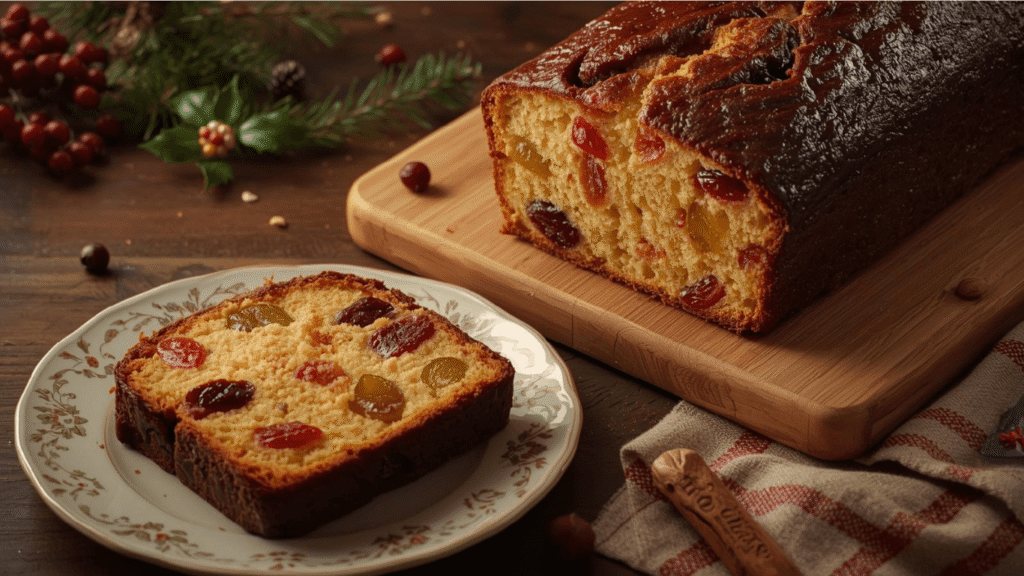
This Fruit Cake recipe is an investment in time that pays dividends in flavor. By respecting the 6-step process and understanding the science of moisture retention, you create a holiday centerpiece that improves with age.
Start your baking tradition today. Don’t wait until December 24th! Leave a comment if you tried the alcohol-free version, and subscribe for more GEO-optimized seasonal recipes.
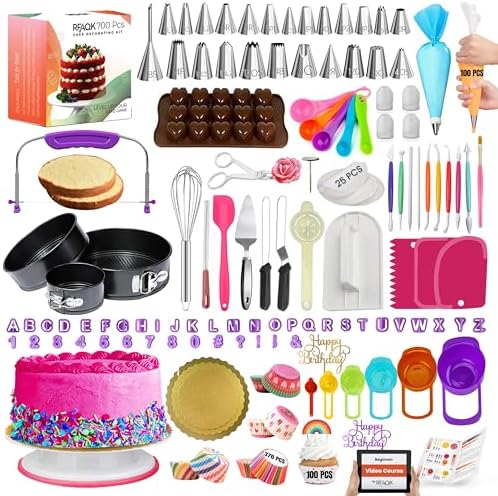
- ✅ Ultimate BAKING GIFT TOOLS: 700PCs is a great baking supplies gift set for baking and has everything for cake decorati…
- ✅ Incredible Cookie & Cake Decorating Kit! Unlock your cake decorating potential with this set of baking tools includes …
- ✅ EASY TO BAKE IN SPRINGFORM PANS: This Baking Pans Set simplifies cake baking in various sizes. Its non-stick surface a…
FAQs
Q: Why did my fruit sink to the bottom? A: This usually happens if the batter is too runny or the fruit wasn’t dried slightly after soaking. Ensure your batter is thick enough to suspend the heavy ingredients.
Q: Can I eat this immediately? A: You can, but it will be crumbly. Fruit cake needs at least 24 hours for the structure to “set” and firm up for slicing. Ideally, wait a week.
Q: What is the best alcohol to use? A: Dark spirits work best. Brandy is traditional, but Spiced Rum, Sherry, or even Whisky add excellent, distinct flavor profiles.
Your feedback helps other cooks succeed. Rate this recipe!
Good Recipe, But the Stigma is Real
“The recipe itself is solid and well-written—the six-step structure is logical, and the ingredient list is clear. However, I feel the article could do more to address the ‘fruitcake stigma’ head-on. A short intro explaining why a homemade fruitcake (with quality spirits and real dried fruit, not candied glace cherries) is different from the brick-like versions people fear would be really helpful. Also, including a ‘Serving & Gifting Tips’ section (e.g., how to slice it thin, pairing suggestions with coffee or fortified wine) would complete the guide. You’ve got a great foundation; now let’s convert the skeptics!”
Finally, a Fruitcake That Brings Back Christmas Magic!
“As someone who remembers my grandmother’s dense, brandy-soaked fruitcake, I’ve been intimidated to try making my own. This guide was the perfect bridge between tradition and simplicity. Breaking it down into just six clear steps—especially the advice on soaking the dried fruits ahead of time—made the process feel manageable, not overwhelming. My cake turned out moist, richly flavored, and beautifully dense, just like I remembered. It’s now wrapped and ‘feeding’ in the pantry until Christmas Day. Thank you for preserving the heart of the tradition while making it accessible.”