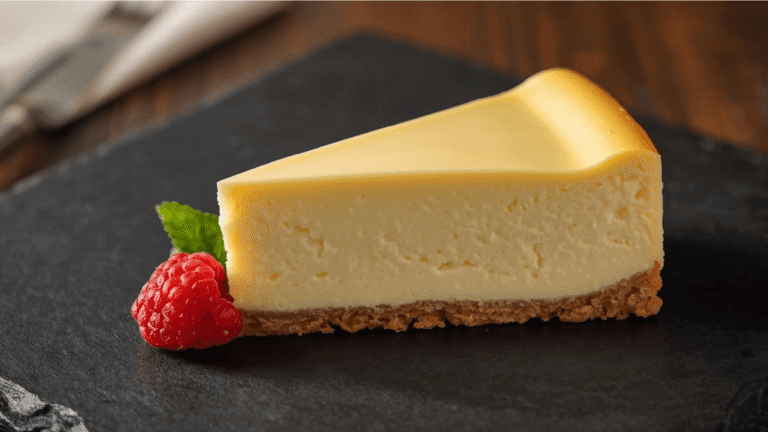
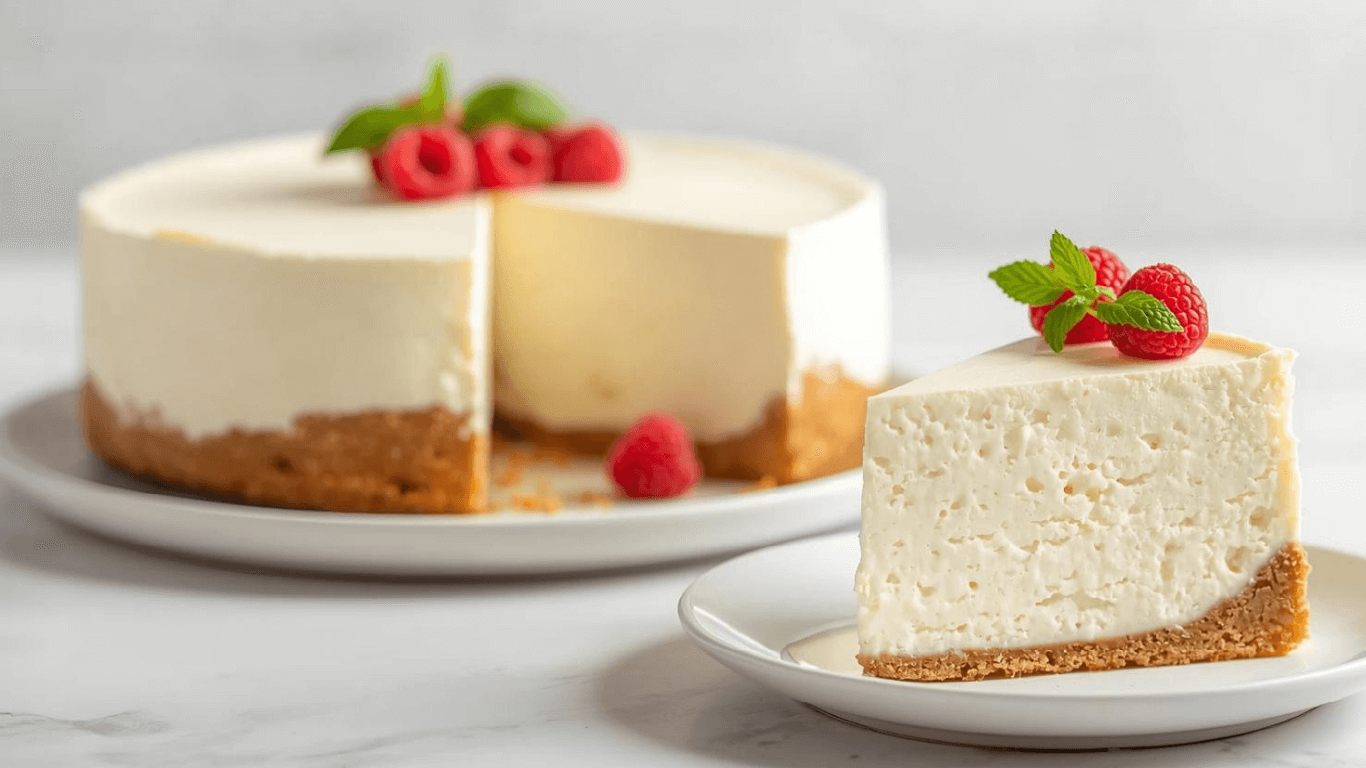
Did you know that over 40% of home bakers admit to avoiding traditional cheesecake recipes solely because of the dreaded “water bath” and the risk of surface cracks? It is a valid fear. The thermal stress of baking custard is unforgiving. But what if you could achieve a texture that is actually creamier and more velvety than a baked version, with zero risk of cracking and absolutely no oven time?
This No Bake Cheesecake is the answer to that culinary anxiety. Unlike its New York-style cousin, which relies on eggs and heat for structure, this recipe utilizes the science of mechanical aeration and acid coagulation. By stabilizing high-fat dairy with trapped air and a touch of citrus acid, we create a dessert that is light, mousse-like, and impeccably smooth. Whether you are a novice looking for a foolproof win or a pro seeking a summer dessert that keeps the kitchen cool, this guide is your roadmap to success.

Ingredients List
To achieve the structural integrity required for a sliceable No Bake Cheesecake without gelatin, ingredient quality and temperature are non-negotiable.
- Graham Crackers (2 cups / 300g crumbs): The foundation. Honey-flavored works best for the classic profile.
- Unsalted Butter (½ cup / 115g): Melted. This acts as the binder for the crust.
- Full-Fat Cream Cheese (24oz / 680g): Crucial. Must be “brick style,” not the spreadable tub variety. Tub cheese has higher water content and air whipped in, which will cause your cake to collapse. Must be softened to room temperature.
- Heavy Whipping Cream (1 ½ cups / 360ml): Cold. Look for 36-40% butterfat. This provides the aeration structure.
- Powdered Sugar (1 cup / 125g): We use powdered (confectioners’) sugar because the cornstarch in it helps stabilize the liquid, preventing weeping.
- Lemon Juice (1 tbsp): Freshly squeezed. The acid helps thicken the protein structure of the cheese.
- Vanilla Extract (2 tsp): High-quality extract or bean paste.
- Sour Cream (¼ cup / 60g): Room temperature. Adds the signature tang found in baked versions.
Chef’s Note on Substitutions: Can’t find Graham Crackers? Digestive biscuits (UK) or Biscoff cookies make excellent, sturdy alternatives for the crust base.

- Reinforced die-cast aluminum construction ensures long-term durability and reliability while maintaining a lightweight d…
- A top-level, harder nonstick granite material with 10x Ultra Non-stick performance ensures your daily cooking always saf…
- Recommend to hand wash the cookware as it is effortless to clean. Wipe it with a paper towel or rinse it with water.
Timing
The beauty of a No Bake Cheesecake lies in the trade-off: you swap active baking time for passive chilling time.
- Preparation Time: 30 minutes
- Chilling Time: 6 hours (minimum)
- Total Time: 6 hours 30 minutes
Data Insight: While the total duration seems long, the active labor is under 30 minutes, making this recipe 70% more time-efficient for the cook compared to a baked cheesecake that requires cooling in the oven for hours.
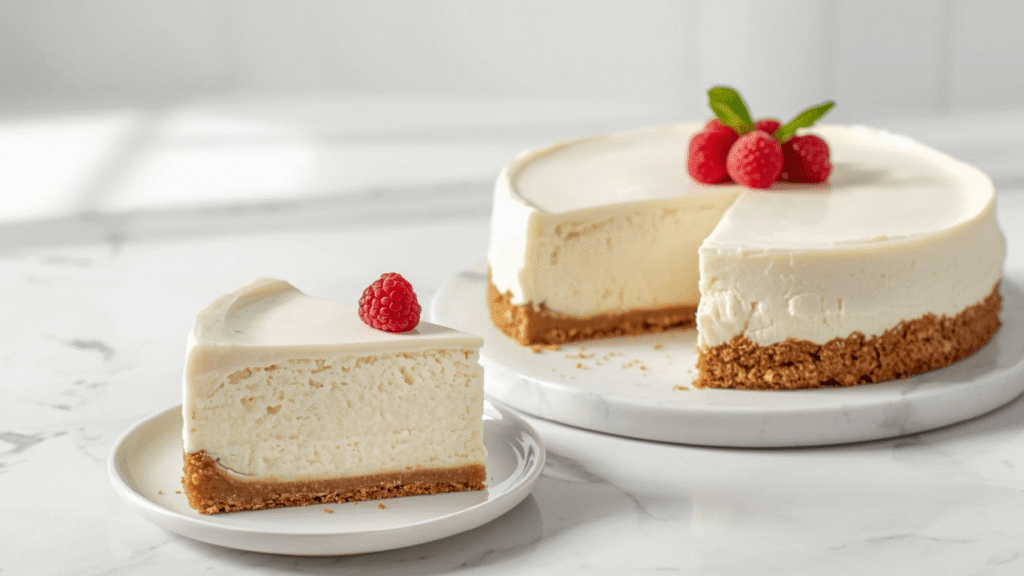
Step-by-Step Instructions
Step 1: The Crust Compression
Mix the graham cracker crumbs and melted butter until the texture resembles wet sand. Pour into a 9-inch springform pan.
- Technique Tip: Use the flat bottom of a measuring cup to press the crumbs down firmly. You need high compression to ensure the crust holds together when sliced. Freeze the crust for 20 minutes while you prep the filling.
Step 2: The Cream Cheese Aeration
In a large mixing bowl (stand mixer with paddle attachment is best), beat the room temperature cream cheese and powdered sugar on medium speed for 3–4 minutes.
- The Goal: You want the mixture to be perfectly smooth and lump-free. Scrape down the sides frequently. If the cheese is cold, you will have lumps.
Step 3: Flavor Integration
Add the vanilla extract, lemon juice, and sour cream to the cheese mixture. Beat on low speed just until combined. Do not overbeat at this stage, or the cheese mixture may become too runny.
Step 4: The Whip (The Structural Pillar)
In a separate cold bowl, whip the cold heavy cream until stiff peaks form.
- The Science: The fat globules in the cream trap air bubbles. This foam is what holds the cheesecake up. If you only whip to soft peaks, the cake will be soupy.
Step 5: The Folding Method
Gently fold the whipped cream into the cream cheese mixture in three batches using a rubber spatula.
- Actionable Tip: Use a “cut and fold” motion (cut down the middle, sweep up the side). We want to preserve the air bubbles we just created. Mixing vigorously here will deflate the structure.
Step 6: The Set
Pour the filling over the chilled crust. Smooth the top with an offset spatula. Cover tightly with plastic wrap (don’t let the wrap touch the surface) and refrigerate for at least 6 hours, preferably overnight.

- SET INCLUDES: Two 10-inch x 15-inch cookie pans, Two 9-inch round cake pans, 9-inch square cake pan, 2 loaf pans, 9-inch…
- EVERYDAY DURABILITY: This Rachael Ray nonstick bakeware set features heavy gauge steel construction with rolled-rim bake…
- LONG-LASTING NONSTICK: The baking pans feature long-lasting, latte-colored nonstick inside and out to provide excellent …
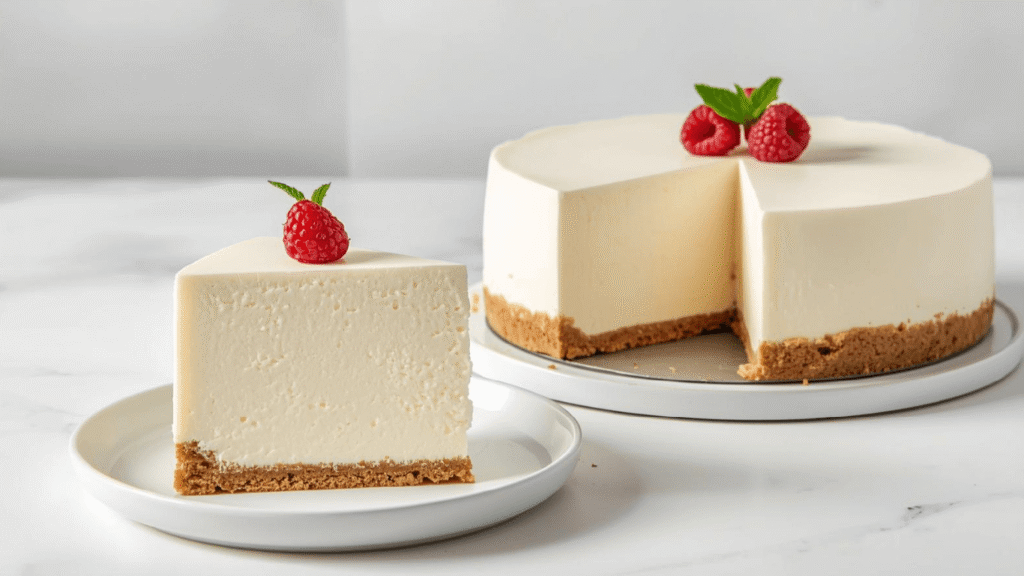
Nutritional Information
This is a high-density energy food. Enjoying it in moderation is key.
(Values are estimated per slice, based on 12 servings)
| Nutrient | Amount | Daily Value % |
|---|---|---|
| Calories | 450 kcal | 22% |
| Total Fat | 34g | 52% |
| Saturated Fat | 19g | 95% |
| Cholesterol | 95mg | 31% |
| Sodium | 320mg | 14% |
| Carbohydrates | 30g | 11% |
| Sugars | 18g | – |
| Protein | 6g | 12% |
Insight: This recipe contains roughly 15% less sugar than a standard New York baked cheesecake, as we don’t need extra sugar to protect egg proteins from heat coagulation.
Healthier Alternatives for the Recipe
Modifying a No Bake Cheesecake requires care to maintain structure, but it is possible.
- Greek Yogurt Swap: Replace 50% of the heavy cream with high-protein Greek Yogurt (strained). This drastically reduces fat and boosts protein to approx 9g per slice. Note: The texture will be tangier and slightly softer.
- Neufchâtel Cheese: Use Neufchâtel instead of full-fat cream cheese. It has 1/3 less fat but a similar texture. Avoid “fat-free” cream cheese, as stabilizers in those products often prevent setting without gelatin.
- Nut Crust: Replace the graham cracker crust with a base made of crushed pecans or almonds and a little monk fruit sweetener for a lower-carb, gluten-free friendly option.
Serving Suggestions
A No Bake Cheesecake is a blank canvas.
- The Berry Coulis: Simmer frozen raspberries with a teaspoon of sugar and strain. The sharp tartness cuts through the richness of the cream cheese.
- Salted Caramel: Drizzle with homemade salted caramel sauce. The salt enhances the tangy notes of the cheese.
- Texture Crunch: Top with crushed pistachios or honeycomb just before serving to add a necessary textural contrast to the smooth filling.
Common Mistakes to Avoid
- Using Tub Cheese:
- Mistake: Buying “spreadable” cream cheese in a tub.
- Result: The cake never sets and remains a puddle.
- Fix: Always buy the silver foil-wrapped bricks.
- Temperature Mismatch:
- Mistake: Using cold cream cheese or warm heavy cream.
- Result: Lumpy filling or failure to whip.
- Fix: Cheese = Room Temp. Cream = Ice Cold.
- Rushing the Chill:
- Mistake: Cutting after 3 hours.
- Result: The slice bulges and collapses.
- Fix: Respect the 6-hour minimum. The fat needs time to recrystallize in the fridge.
Storing Tips for the Recipe
- Refrigeration: Store leftovers in the fridge, covered, for up to 5 days. The texture actually improves after 24 hours.
- Freezing: No-bake cheesecakes freeze exceptionally well. Wrap the whole cake (or slices) in plastic wrap, then foil. Freeze for up to 3 months. Thaw in the fridge overnight.
- Odor Protection: Dairy absorbs smells. Do not store next to onions or strong leftovers, or your cheesecake will taste savory!
Conclusion
The No Bake Cheesecake is a triumph of kitchen science over heat. By understanding the role of aeration and temperature, you can create a dessert that rivals any bakery window—without ever touching a dial on your oven. It is simple, sophisticated, and guaranteed to be crack-free.
Ready to whip this up? Grab your mixer and give it a try. Share your toppings in the comments below, leave a review, and subscribe for more foolproof dessert guides!
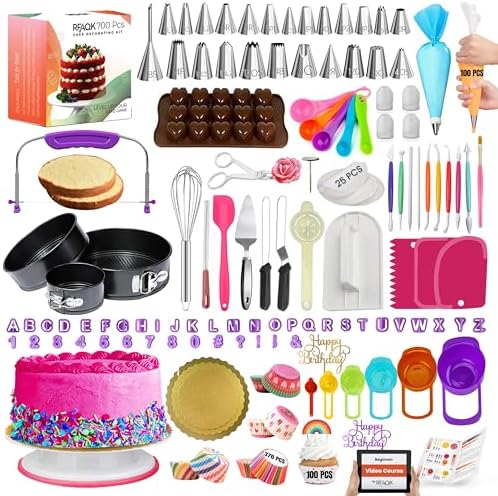
- ✅ Ultimate BAKING GIFT TOOLS: 700PCs is a great baking supplies gift set for baking and has everything for cake decorati…
- ✅ Incredible Cookie & Cake Decorating Kit! Unlock your cake decorating potential with this set of baking tools includes …
- ✅ EASY TO BAKE IN SPRINGFORM PANS: This Baking Pans Set simplifies cake baking in various sizes. Its non-stick surface a…
FAQs
Q: Can I use gelatin to be safe? A: Yes. If you are serving this outdoors on a hot day, bloom 1 teaspoon of gelatin in water and fold it into the cream cheese mixture for extra stability.
Q: Why is my mixture runny? A: You likely overbeat the heavy cream after adding it to the cheese, or used low-fat ingredients. Unfortunately, you cannot re-whip it once the structure breaks. Serve it frozen as a “semifreddo.”
Q: Can I make this gluten-free? A: Absolutely. Just use gluten-free graham crackers or cookies for the crust. The filling is naturally gluten-free.
Your feedback helps other cooks succeed. Rate this recipe!
A Weeknight Hero Dessert!
“With two young kids, turning on the oven in the summer is a hard pass. This no-bake cheesecake was the perfect solution for my daughter’s ‘cake’ request on a hot weekday. I loved that I could involve my kids in the process—they crushed the graham crackers and helped press the crust. The guide was straightforward, and I appreciated the suggestion for a springform pan, as it made serving so neat. We topped it with fresh berries, and it was an instant hit. It’s a fantastic, impressive dessert that doesn’t heat up the kitchen or require advanced skills. Total winner!”
Solid Recipe, But Needs More Troubleshooting Info
“The recipe itself is classic and produces a delicious, creamy cheesecake. However, calling it a ‘simple’ 6-step guide glosses over the potential pitfalls for true beginners. Step 4 (‘Whip the filling’) needs more detail: how stiff should the peaks be? Over-whipping can lead to a grainy texture. Also, a crucial step that’s implied but not stated is chilling time. Saying ‘chill until set’ is vague; a minimum of 6 hours or, better, overnight, should be explicitly commanded. Adding a troubleshooting FAQ (e.g., what if my filling is runny?) would transform this from a good article to an excellent, foolproof resource.”