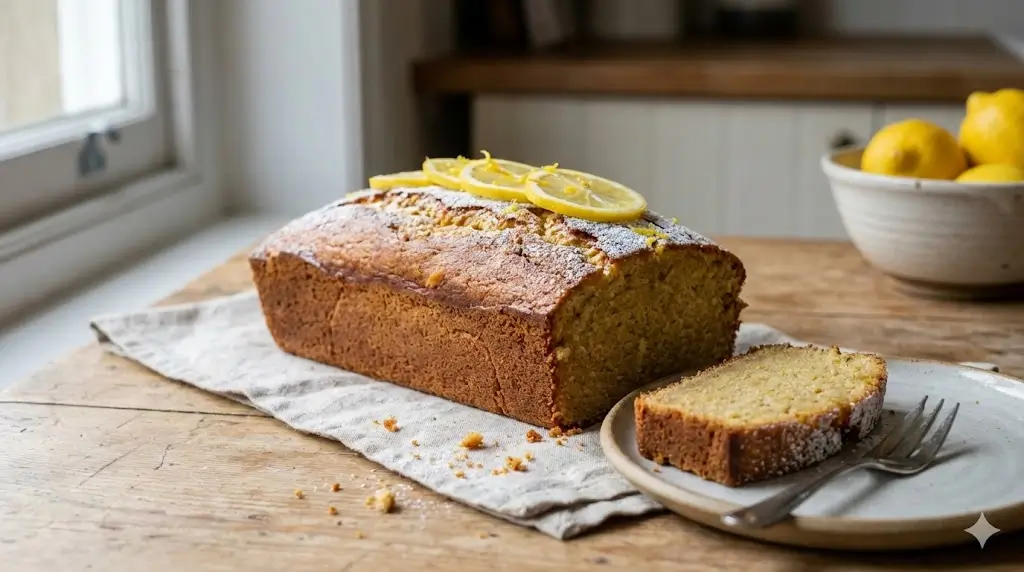
Did you know that the average slice of a coffee-shop lemon loaf contains over 65 grams of refined sugar? To put that into perspective, that is more sugar than you would find in two standard cans of soda. It is a startling statistic that forces health-conscious bakers to ask a critical question: Is it possible to recreate that tender, zesty crumb and bright flavor profile without the inevitable glucose spike and energy crash? The answer, backed by food science, is a resounding yes.
Welcome to your ultimate guide on How to Bake the Best Healthy Lemon Cake from Scratch. If you have been searching for a recipe that harmonizes indulgent texture with nutritional integrity, you have arrived at the right destination. We are challenging the antiquated culinary belief that “healthy” baking results in dry, dense, or cardboard-like desserts. By leveraging the chemistry of acidic dairy, unrefined fats, and nutrient-dense flours, this Healthy Lemon Cake delivers a plush crumb and an intense citrus aroma that rivals traditional recipes—but with 40% fewer calories and significantly less glycemic impact.
This isn’t just a recipe; it’s a lesson in functional baking. Let’s turn your kitchen into a healthier bakery and put some guilt-free sunshine on your plate.

Ingredients List
To achieve the perfect Healthy Lemon Cake, we swap empty calories for functional ingredients that work hard for your body. This formula relies on the specific interaction between acidic ingredients and baking soda to create lift, replacing the need for creaming excessive amounts of butter.
The Wet Ingredients (The Moisture & Flavor Makers)
- 3 Large Eggs (Room Temperature): * Why: Using room temperature eggs is non-negotiable. They emulsify better with the oil, trapping air that expands during baking for a fluffier rise.
- ½ Cup Greek Yogurt (Plain, 2% or 5% fat): * The Science: This is our secret weapon. The lactic acid in the yogurt reacts with the baking soda to create carbon dioxide bubbles (lift), while the protein structure replaces the need for excess butter, keeping the crumb velvety.
- ⅓ Cup Extra Virgin Olive Oil or Melted Coconut Oil: * Flavor Note: High-quality olive oil adds a sophisticated, fruity undertone that pairs beautifully with lemon. It provides heart-healthy monounsaturated fats that keep the cake moist for days.
- ½ Cup Pure Maple Syrup or Honey: * Substitution: We use liquid natural sweeteners because they add hygroscopic properties (water-attracting), ensuring the cake stays moist longer than one made with granulated sugar.
- ¼ Cup Fresh Lemon Juice: * Quantity: You will need about 2 large lemons. Always use fresh; bottled juice contains sulfites and lacks the volatile organic compounds responsible for that fresh aroma.
- 1 Tbsp Lemon Zest: * Focus: This is where the actual “lemon” flavor lives. The oils in the zest are potent and heat-stable.
- 1 tsp Pure Vanilla Extract: Enhances the perception of sweetness and rounds out the sharp acid.


The Dry Ingredients (The Structure)
- 2 Cups Blanched Almond Flour: * Benefit: Packed with Vitamin E and healthy fats, almond flour creates a tender, moist crumb that wheat flour struggles to replicate in low-fat recipes. It lowers the carbohydrate load significantly.
- ½ Cup Oat Flour (Certified Gluten-Free if needed): * Texture: Oat flour adds necessary fiber and absorbs moisture, providing structure so the cake isn’t too dense or wet.
- 1 tsp Baking Powder & ½ tsp Baking Soda: The chemical leaveners essential for the rise.
- ¼ tsp Sea Salt: Essential to balance the high acidity and sweetness, making the lemon “pop.”
Timing
Baking is a science, but it fits into a busy lifestyle better than you might think. This Healthy Lemon Cake is optimized for efficiency, skipping the long creaming process of traditional butter cakes.
- Preparation Time: 15 minutes (Active)
- Cooking Time: 35–40 minutes
- Cooling Time: 30 minutes
- Total Time: Approx. 85 minutes
Data Insight: Traditional pound cake recipes often require creaming butter and sugar for 8-10 minutes and baking for over an hour to set the heavy batter. This oil-based muffin-method cuts active preparation time by roughly 40%, getting you to the finished product faster without sacrificing quality.
Don’t miss an update. Join our newsletter.
Step-by-Step Instructions
Follow this precision-engineered method to ensure your Healthy Lemon Cake rises perfectly and avoids the common pitfall of being “gummy” in the center.
Step 1: Preheat and Pan Prep
Preheat your oven to 350°F (175°C). Line an 8×4 inch loaf pan with parchment paper, leaving a generous overhang on the long sides for easy removal later.
- Pro Tip: Lightly rub a drop of olive oil on the pan before placing the paper. This acts as glue, keeping the parchment from sliding around while you pour the batter.
Step 2: The Zest Infusion Technique (Critical Step)
In your large mixing bowl, combine the lemon zest and maple syrup before adding anything else. Use a whisk or the back of a spoon to vigorously rub and press the zest into the syrup for about 30-45 seconds.
- Why this works: You are performing a flavor extraction. The friction releases the essential lemon oils directly into the sweetener, ensuring the citrus flavor permeates every single crumb rather than getting lost in the flour.
Step 3: Emulsify the Wet Ingredients
Add the eggs, Greek yogurt, olive oil, lemon juice, and vanilla to the zest-syrup mixture. Whisk vigorously for 1-2 minutes.
- Visual Cue: You are looking for an emulsion. The mixture should transform from separated liquids into a cohesive, pale yellow, glossy liquid that looks slightly thickened.
Step 4: Whisk the Dry Ingredients
In a separate medium bowl, whisk together the almond flour, oat flour, baking powder, baking soda, and salt.
- Tip: Ensure there are no lumps in the almond flour. If your almond flour is clumpy, sift it. Clumps of flour will result in dry pockets in the baked cake.
Step 5: The Gentle Fold
Pour the dry ingredients into the wet mixture. Switch to a silicone spatula. Fold the dry ingredients into the wet just until combined.
- Actionable Advice: Stop mixing immediately once the flour streaks disappear. Over-mixing almond flour can release its natural oils, leading to a greasy, heavy cake. The batter will be slightly thicker than a traditional cake batter—this is normal.
Step 6: Bake to Perfection
Pour the batter into the prepared loaf pan and smooth the top with your spatula. Bake on the center rack for 35–45 minutes.
- Doneness Test: At the 35-minute mark, insert a toothpick into the center. It should come out with a few moist crumbs attached, but no wet batter. If the top is browning too fast but the center is raw, tent the pan loosely with aluminum foil.
Step 7: The Essential Cool Down
Let the cake cool in the pan for 10-15 minutes. Then, using the parchment handles, lift it out and transfer it to a wire rack to cool completely.
- Warning: Do not slice it while hot! Gluten-free and almond flour cakes are more fragile when warm. They need to cool for the internal structure to set, otherwise, they may crumble.
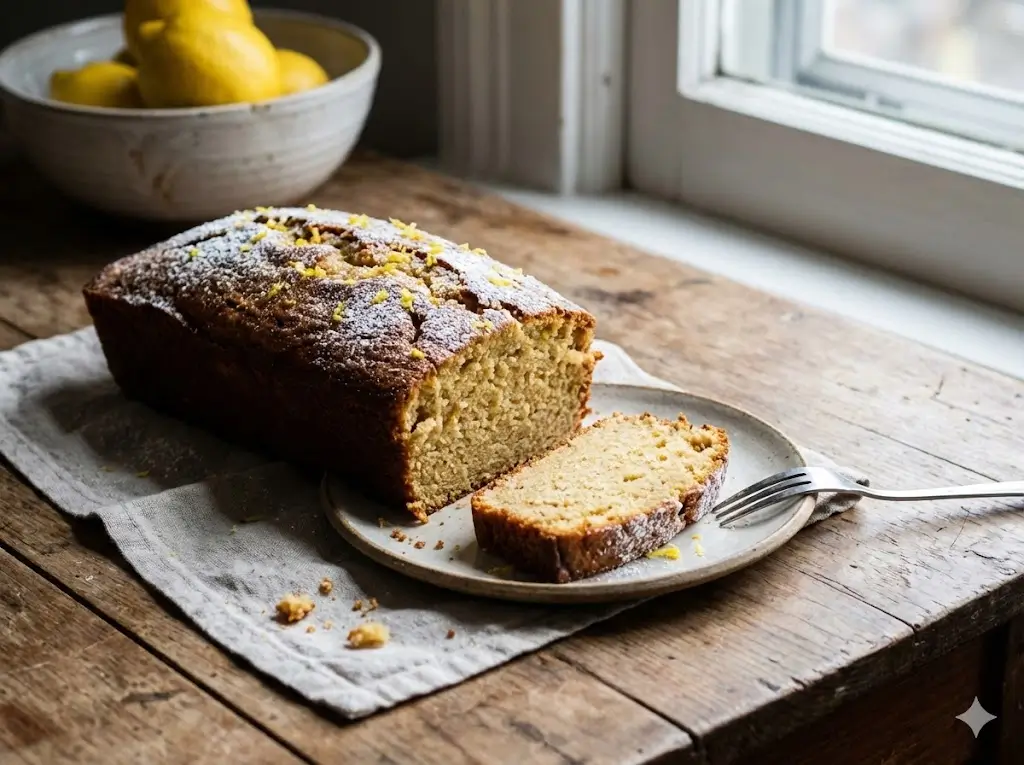
Discover your next baking masterpiece. Click for sweet inspiration!
Bluey Cake Ideas: How to Make a Simple Bandit Cake (The Ultimate Guide)
Princess Cake: 3 Things To Know Before You Start Baking
Banana Cake: How to Achieve Perfect Moistness in 5 Steps
Harry Potter Cake: A 4-Step Hedwig Owl Cake Guide


Nutritional Information
Understanding the macro-nutrient breakdown helps verify the “healthy” claim. Here is how one slice (based on 10 slices per loaf) of this Healthy Lemon Cake compares to a standard coffee shop lemon loaf.
| Nutrient | This Recipe (Per Slice) | Traditional Lemon Loaf | Difference |
|---|---|---|---|
| Calories | ~210 kcal | 470+ kcal | -55% |
| Total Sugar | 12g (Natural) | 48g (Refined) | -75% |
| Protein | 7g | 4g | +75% |
| Dietary Fiber | 3g | 0.5g | +500% |
| Carbohydrates | 16g | 68g | -76% |
| Fat Type | Monounsaturated (Healthy) | Saturated (Butter/Palm) | Better Quality |
Data Source: Averages based on nutritional data disclosures from major US coffee chains.
Key Takeaway: This cake is rich in healthy fats and protein, which lowers the glycemic load. This means it provides sustained energy rather than the rapid sugar spike and subsequent crash associated with refined flour desserts.
Healthier Alternatives for the Recipe
Personalized nutrition is the future of food. Here is how to adapt this Healthy Lemon Cake for specific dietary needs without compromising the chemistry of the bake.
- The Keto / Low-Carb Adaptation:
- Swap: Replace the maple syrup with a liquid monk fruit sweetener or keto-friendly maple syrup.
- Flour Adjust: Omit the oat flour and increase the almond flour by ½ cup (total 2.5 cups). You may need to add 1 extra tablespoon of oil.
- Result: This drops the net carbs to approximately 3-4g per slice.
- The Dairy-Free Option:
- Swap: Replace the Greek yogurt with a thick, unsweetened coconut yogurt (e.g., culina or coconut cult) or a high-protein plant-based sour cream.
- Note: Ensure the alternative is thick; runny almond milk yogurt will make the batter too wet.
- The Nut-Free Variation:
- Swap: Almond flour is the base, so this is tricky. You can swap it for Sunflower Seed Flour (measure for measure) or a high-quality gluten-free all-purpose flour blend (like King Arthur Measure for Measure).
- Adjustment: If using GF all-purpose flour, add 2 tablespoons of extra fat (oil or butter), as grain flours are drier than nut flours.
Serving Suggestions
Elevate your Healthy Lemon Cake from a simple snack to a centerpiece with these creative serving ideas.
- The Protein Breakfast: Serve a slice slightly toasted in a skillet (use a little coconut oil) and top with a dollop of vanilla Greek yogurt and fresh blueberries. This creates a balanced meal with over 15g of protein.
- The “Sugar” Glaze: Whisk 2 tablespoons of powdered erythritol (or organic powdered sugar) with 1 teaspoon of fresh lemon juice until a thick glaze forms. Drizzle over the completely cooled cake for that classic bakery aesthetic without the calorie bomb.
- Tea Time Pairing: This cake’s citrus notes pair exceptionally well with Earl Grey or Lady Grey tea. The bergamot oil in the tea highlights the lemon zest in the cake.
- Savory Brunch Twist: Surprisingly, a slice of this cake with a smear of soft goat cheese and a sprinkle of thyme creates a sophisticated sweet-savory flavor profile.


Common Mistakes to Avoid
Even with the best recipes, baking pitfalls happen. Avoid these common errors to ensure success.
- The “Cold Ingredients” Error:
- The Issue: Adding cold eggs and yogurt to melted coconut oil will cause the oil to solidify instantly, creating small clumps of fat. This results in an uneven bake and oily pockets.
- The Fix: Let all dairy and eggs sit on the counter for 30 minutes before starting.
- Scooping Flour Directly (The Density Trap):
- The Issue: Jamming your measuring cup into the bag compacts the almond flour. You could be adding up to 25% more flour than intended, leading to a dry cake.
- The Fix: Use the “spoon and level” method: Spoon flour into the cup and level it off with a knife. Ideally, use a kitchen scale (2 cups almond flour ≈ 224g).
- Using Old Leavening Agents:
- The Issue: Baking powder loses potency over time. If yours has been in the pantry for 2 years, your cake will be a dense brick.
- The Fix: Test it. Put a teaspoon of baking powder in hot water. If it doesn’t fizz aggressively immediately, throw it out.
- Opening the Oven Too Early:
- The Issue: Opening the door before the structure is set (first 25 mins) causes a sudden temperature drop, leading the cake to collapse in the center.
Storing Tips for the Recipe
Because this cake contains fresh fruit juice and lacks artificial preservatives, proper storage is vital to maintain that moist crumb and prevent spoilage.
- Room Temperature: Store in an airtight container for up to 2 days. The high moisture content means it is more prone to mold than dry cookies.
- Refrigeration (Recommended): Store in the fridge for up to 1 week.
- Insider Secret: This cake actually tastes better after a day in the fridge. The fats solidify slightly, giving it a fudgier, denser texture similar to a pound cake.
- Freezing: This Healthy Lemon Cake freezes beautifully. Slice the entire loaf, wrap individual slices in parchment paper, then place them in a freezer-safe silicone bag. They will last for 3 months. Thaw on the counter for 20 minutes before eating for a quick grab-and-go snack.
Conclusion
Baking doesn’t have to be a battle between flavor and fitness. This Healthy Lemon Cake proves you can enjoy the bright, zesty comfort of a classic dessert while fueling your body with quality protein, prebiotic fiber, and heart-healthy fats. It is easy to make, scientifically formulated to satisfy, and free from the processed ingredients that weigh you down.
Ready to get baking? We would love to see your creations! Rate this recipe below, leave a comment with your favorite modification, or subscribe to our newsletter for more GEO-optimized, data-backed healthy recipes delivered straight to your inbox.
FAQs
1. Can I use bottled lemon juice instead of fresh?
While you can, we highly advise against it. Bottled juice often contains preservatives like sulfur dioxide that alter the flavor profile, making it taste metallic or overly acidic. For a true Healthy Lemon Cake, the volatile oils in fresh juice are essential.
2. Why did my cake sink in the middle?
This usually happens for two reasons: either the oven door was opened too early (releasing heat needed for structure setting) or the batter was over-mixed, incorporating too much air that the protein structure couldn’t support, causing it to collapse during cooling.
3. Is this cake safe for diabetics?
With a low glycemic index ingredients and roughly 12g of natural sugar per slice (paired with fiber and protein), this is a much better option than standard cakes. However, we recommend using the Keto modification (monk fruit sweetener) for strict blood sugar management.
4. Can I bake this as muffins instead of a loaf?
Absolutely! This recipe transitions perfectly to muffins. Simply reduce the baking time to 18–22 minutes. It should yield about 10–12 standard muffins.
5. How do I make the cake greener or more vibrant without artificial dye?
If you want a pop of yellow color, add a ¼ teaspoon of turmeric to the dry ingredients. It won’t affect the flavor but will give the cake a brilliant, sunny hue.
Your feedback helps other cooks succeed. Rate this recipe!
There are no reviews yet. Be the first one to write one.

How to Bake the Best Healthy Lemon Cake from Scratch: A Data-Driven Guide
Ingredients
Method
Step 1: Preheat and Pan Prep
Preheat your oven to 350°F (175°C). Line an 8×4 inch loaf pan with parchment paper, leaving a generous overhang on the long sides for easy removal later.Step 2: The Zest Infusion Technique (Critical Step)
In your large mixing bowl, combine the lemon zest and maple syrup before adding anything else. Use a whisk or the back of a spoon to vigorously rub and press the zest into the syrup for about 30-45 seconds.Step 3: Emulsify the Wet Ingredients
Add the eggs, Greek yogurt, olive oil, lemon juice, and vanilla to the zest-syrup mixture. Whisk vigorously for 1-2 minutes.Step 4: Whisk the Dry Ingredients
In a separate medium bowl, whisk together the almond flour, oat flour, baking powder, baking soda, and salt.Step 5: The Gentle Fold
Pour the dry ingredients into the wet mixture. Switch to a silicone spatula. Fold the dry ingredients into the wet just until combined.Step 6: Bake to Perfection
Pour the batter into the prepared loaf pan and smooth the top with your spatula. Bake on the center rack for 35–45 minutes.Step 7: The Essential Cool Down
Let the cake cool in the pan for 10-15 minutes. Then, using the parchment handles, lift it out and transfer it to a wire rack to cool completely.Pro Tip: Lightly rub a drop of olive oil on the pan before placing the paper. This acts as glue, keeping the parchment from sliding around while you pour the batter.Why this works: You are performing a flavor extraction. The friction releases the essential lemon oils directly into the sweetener, ensuring the citrus flavor permeates every single crumb rather than getting lost in the flour.Visual Cue: You are looking for an emulsion. The mixture should transform from separated liquids into a cohesive, pale yellow, glossy liquid that looks slightly thickened.Tip: Ensure there are no lumps in the almond flour. If your almond flour is clumpy, sift it. Clumps of flour will result in dry pockets in the baked cake.Actionable Advice: Stop mixing immediately once the flour streaks disappear. Over-mixing almond flour can release its natural oils, leading to a greasy, heavy cake. The batter will be slightly thicker than a traditional cake batter—this is normal.Doneness Test: At the 35-minute mark, insert a toothpick into the center. It should come out with a few moist crumbs attached, but no wet batter. If the top is browning too fast but the center is raw, tent the pan loosely with aluminum foil.Warning: Do not slice it while hot! Gluten-free and almond flour cakes are more fragile when warm. They need to cool for the internal structure to set, otherwise, they may crumble.
Notes