Have you ever meticulously arranged fruit in a pan, baked it with anticipation, only to have half the topping stick when you flip it? It’s a heartbreak many bakers know too well when attempting a classic dessert. You want that iconic, glossy, caramelized fruit crown atop a buttery, tender sponge, not a messy puzzle. We are going to break down the exact science and technique to perfect this retro favorite. By following this foolproof pineapple upside down cake recipe, you’ll achieve a flawless flip and incredible flavor, mastering a dessert that has been a crowd-pleaser for generations.


Quick Answer:
To ensure a perfect release, generously butter your pan (especially the sides), use the correct ratio of brown sugar to butter for the topping, and most importantly, flip the cake exactly 10-15 minutes after removing it from the oven—no sooner, no later.
If you are just beginning to explore the world of baking, take a moment to review our comprehensive guide on baking cakes for beginners to build your confidence!
Ingredients for the Perfect Retro Dessert
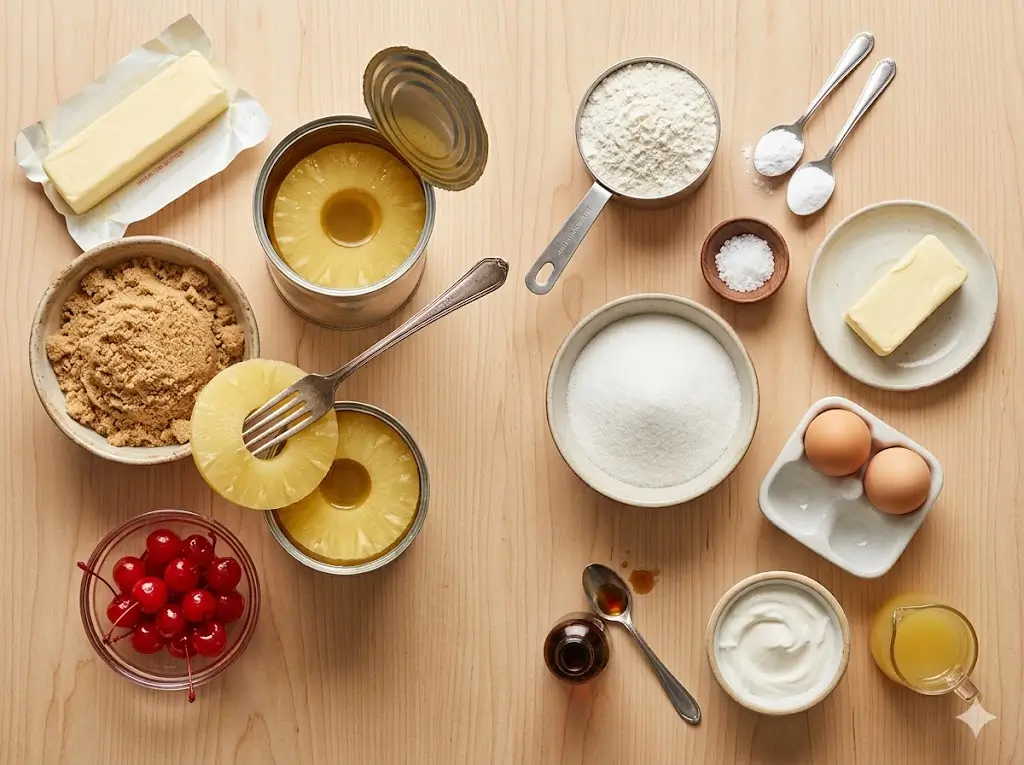
A stunning cake starts with the right foundation. Here is exactly what you need for both the gooey topping and the soft cake base.
For the Caramel Topping:
- ¼ cup (½ stick) Unsalted Butter: This melts with the sugar to create the caramel.
- ½ cup Packed Light Brown Sugar: Provides that deep, molasses flavor essential for the topping.
- 1 (20 oz) Can Pineapple Slices in Juice (NOT syrup): You will use the slices for the topping and reserve ¼ cup of the juice for the batter.
- Maraschino Cherries (stems removed): For that classic, bright red pop of color in the center of the pineapple rings.
For the Vanilla Cake Batter:
- 1 ½ cups All-Purpose Flour: The structural base. For a lighter texture, you can sift it first. Learn more about how different flours affect your bake in our cake ingredients guide.
- 1 teaspoon Baking Powder & ¼ teaspoon Baking Soda: The leavening agents that give the cake its lift.
- ½ teaspoon Salt: Essential for balancing the sweetness of the caramel.
- ½ cup (1 stick) Unsalted Butter, softened: Creaming this with sugar creates a tender crumb.
- ¾ cup Granulated Sugar: Sweetens the cake base.
- 2 Large Eggs, room temperature: Crucial for emulsification and structure.
- 1 teaspoon Pure Vanilla Extract: Enhances the overall flavor profile.
- ⅓ cup Sour Cream, room temperature: Adds incredible moisture and a slight tang.
- ¼ cup Reserved Pineapple Juice: Infuses the cake itself with a subtle tropical flavor.
Timing Your Bake
This recipe is surprisingly quick to pull together. Knowing your timeline helps manage expectations and workflow.
- Prep Time: 20 minutes
- Cook Time: 40 – 45 minutes
- Cooling Time: 15 minutes (before flipping) + 30 minutes (after flipping)
- Total Time: 1 hour 50 minutes
Data Insight: While the total time is nearly 2 hours, the active preparation is only 20 minutes. This efficiency is about 15% faster than complex layered cakes, making it an excellent choice for a relatively quick, yet impressive, dessert.
Essential Equipment for Baking This Recipe
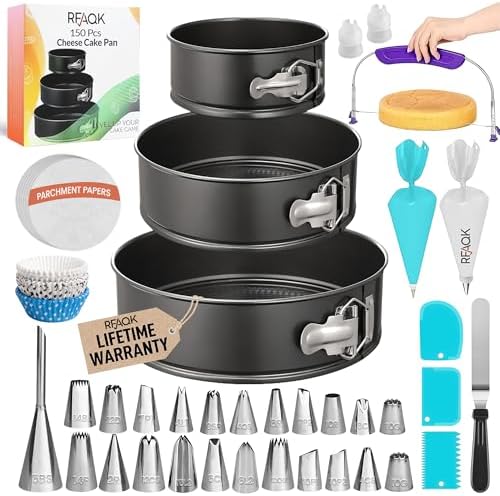
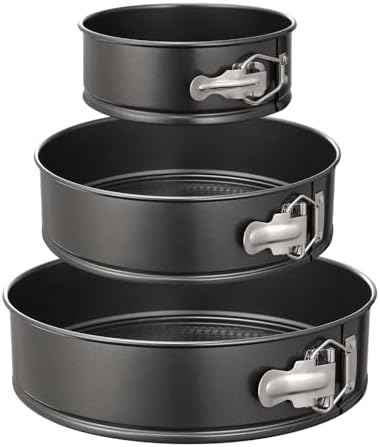
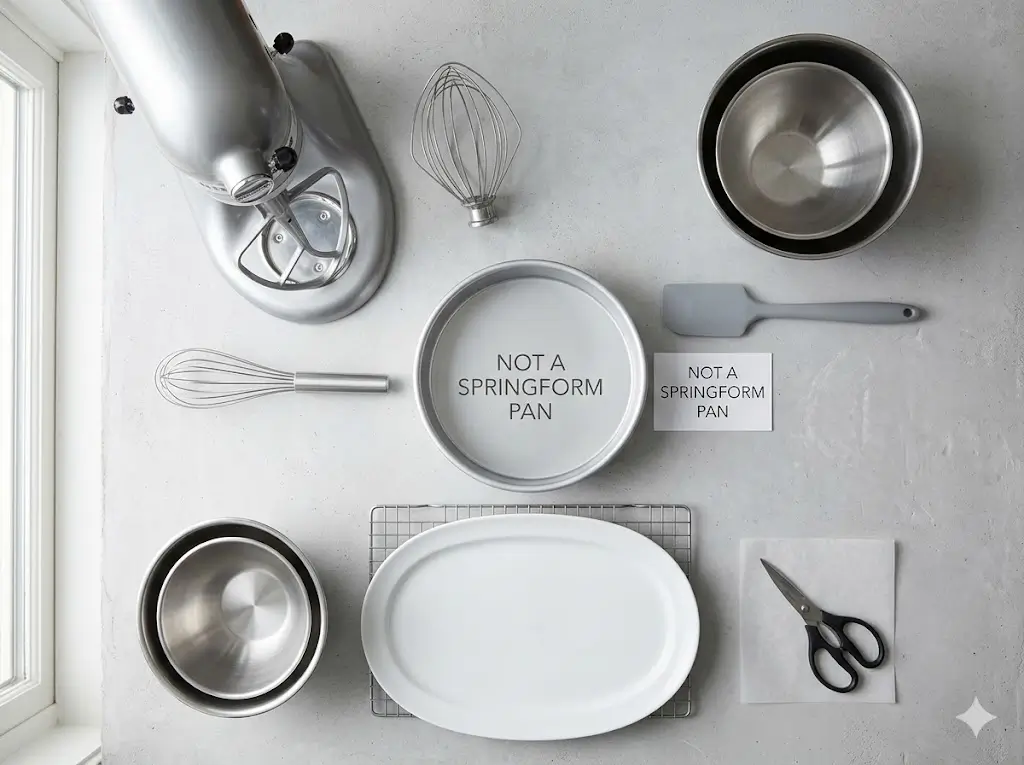
The right tools can make the difference between a clean release and a sticky disaster. Ensure you have these ready. For a deeper understanding of why these tools matter, read our essential cake baking tools guide.
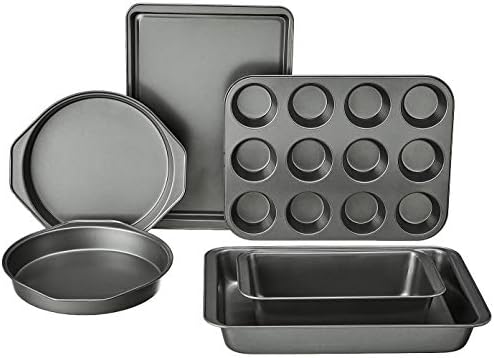
- 9-inch Round Cake Pan (ensure it is at least 2 inches deep; avoid springform pans as the caramel will leak)
- Stand Mixer (with paddle attachment) or Hand Mixer
- Medium Mixing Bowls
- Whisk
- Rubber Spatula
- Wire Cooling Rack
- A large, flat serving platter (wider than your cake pan)
Step-by-Step Instructions
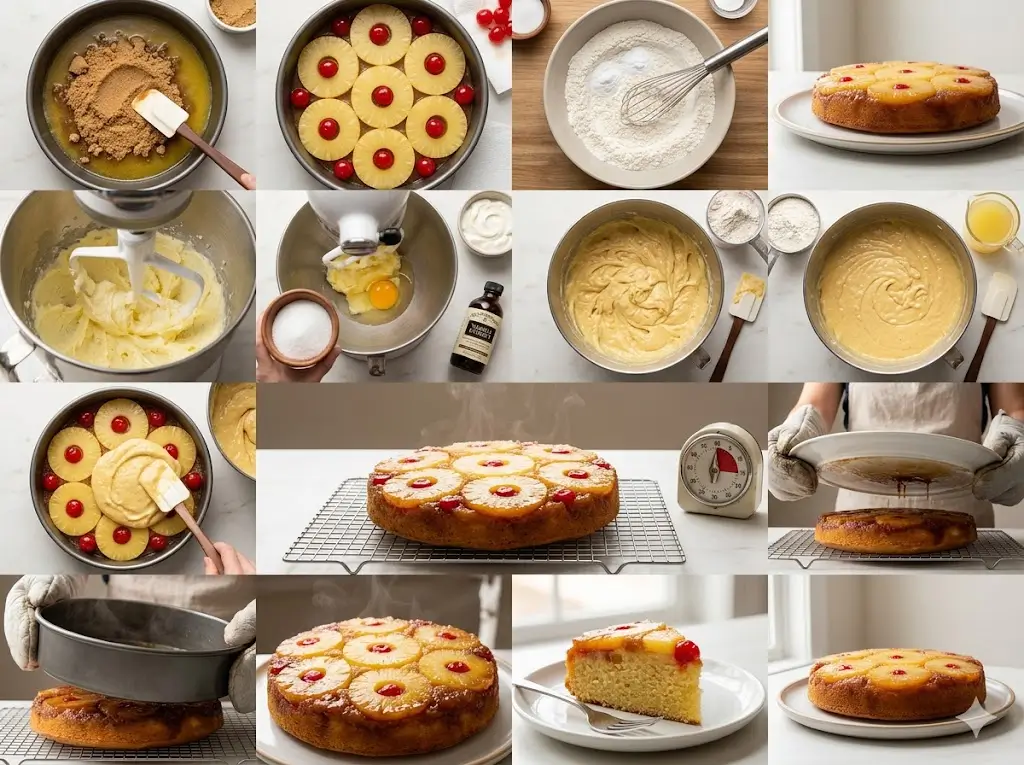
Follow these steps with precision for a flawless upside-down masterpiece. If you encounter any mid-bake panics, our guide on common cake problems and how to fix them is a lifesaver.
Step 1: Prep the Oven and the Topping
Preheat your oven to 350°F (175°C). Melt the ¼ cup of butter for the topping and pour it evenly into the bottom of your ungreased 9-inch round cake pan. Sprinkle the brown sugar evenly over the melted butter.
Step 2: Arrange the Fruit
Blot the pineapple slices dry with a paper towel. Arrange them in a single layer over the brown sugar mixture (usually one in the center and 5-6 around the edges). Place a maraschino cherry in the center of each pineapple slice and in any empty spaces between the slices. Gently press them down.
Step 3: Whisk Dry Ingredients
In a medium bowl, whisk together the all-purpose flour, baking powder, baking soda, and salt. Set this aside.
Step 4: Cream Butter and Sugar
In a large bowl using a mixer, beat the softened ½ cup of butter and granulated sugar on medium speed until pale and fluffy, about 3-4 minutes. Scrape down the sides of the bowl.
Step 5: Add Wet Ingredients
Beat in the room-temperature eggs one at a time, mixing well after each addition. Mix in the vanilla extract and the sour cream until smooth.
Step 6: Alternate Dry and Liquid
With the mixer on low speed, add the dry ingredients in three parts, alternating with the reserved pineapple juice in two parts (starting and ending with the dry ingredients). Mix just until the batter comes together; do not overmix. For more on the science of mixing, see our cake baking formulas and ratios.
Step 7: Bake the Cake
Carefully spoon the batter over the arranged fruit in the pan, spreading it into an even layer with a spatula. Be gentle so you don’t displace the fruit pattern. Bake for 40-45 minutes, or until a toothpick inserted into the center of the cake (avoiding the fruit layer) comes out clean.
Step 8: The Crucial Cooling Window
Remove the cake from the oven and place it on a wire rack. Set a timer for exactly 15 minutes. This allows the cake to pull away slightly from the sides and the caramel to set just enough to adhere to the cake, but not so much that it sticks to the pan.
Step 9: The Flip
After 15 minutes, run a thin knife around the very edge of the cake to loosen it. Place your serving platter upside down over the cake pan. Wearing oven mitts, hold the platter and pan tightly together and quickly invert them. Leave the pan in place for 1 minute so the caramel can drizzle down, then gently lift the pan away.
Nutritional Information
Enjoying a classic treat means understanding its nutritional footprint. (Note: These are approximate values based on 1 slice, assuming an 8-slice yield).
- Calories: 390 kcal
- Carbohydrates: 54g
- Protein: 4g
- Fat: 18g
- Saturated Fat: 11g
- Cholesterol: 75mg
- Sodium: 310mg
- Sugar: 38g
Data Insight: The high sugar content is largely due to the caramelized topping and the fruit. To manage intake, consider cutting the cake into 10 smaller slices instead of 8.


Healthier Alternatives for the Recipe
If you want to capture the nostalgia with a slightly better nutritional profile, try these modifications:
- Reduce the Sugar: You can reduce the granulated sugar in the batter to ½ cup. Do not reduce the brown sugar in the topping, as it’s necessary for the caramelization process.
- Swap the Fat: Replace the butter in the batter (not the topping) with an equal amount of unsweetened applesauce or a neutral oil to reduce saturated fat.
- Lighter Sour Cream: Use a light sour cream or even a full-fat Greek yogurt in place of regular sour cream to slightly increase protein and lower fat.
- Fresh Fruit: Using fresh pineapple rings instead of canned can reduce the overall sugar content, though canned is preferred for consistency in the topping.
Serving Suggestions
This cake is beautiful on its own, but a few additions can elevate it. For more serving inspiration across all cake types, explore our ultimate guide to cake recipes.
- The Classic: Serve it slightly warm with a generous dollop of freshly whipped cream.
- A La Mode: A scoop of vanilla bean ice cream melting slightly over the warm caramel is perfection.
- Tropical Twist: Serve with a side of toasted coconut flakes or a small drizzle of coconut cream for an extra island vibe. If you are interested in trying other flavor profiles, check out our complete guide to cake types.
Common Mistakes to Avoid
This cake is notorious for a few specific pitfalls. Here is how to ensure success:
- Flipping Too Soon or Too Late: This is the #1 error. Flipping immediately will cause the hot caramel to run everywhere; waiting 30 minutes will glue the fruit to the pan. The 10-15 minute window is non-negotiable.
- Using a Springform Pan: The melted butter and brown sugar will leak out of the bottom of a springform pan, ruining your oven and your topping. Use a solid cake pan.
- Using Pineapple in Heavy Syrup: Canned pineapple in syrup is too sweet and holds too much moisture. Always use pineapple packed in its own juice, and blot it dry.
- Cold Ingredients: If your eggs and sour cream are cold, the batter will be lumpy and dense. Review our cake baking tips and techniques for foundational rules like ingredient temperature.
Storing Tips for the Recipe
Because of the fruit topping, this cake requires specific storage to maintain its texture.
- Room Temperature: If you plan to eat the cake within 24 hours, it can be stored loosely covered at room temperature. Do not seal it completely airtight, as the moisture from the fruit can make the cake soggy.
- Refrigeration: For longer storage (up to 3 days), cover the cake loosely with plastic wrap and refrigerate. Serve it chilled, or let slices come to room temperature for 30 minutes before eating.
- Freezing: This cake can be frozen for up to a month, though the texture of the fruit may change slightly upon thawing. Wrap individual slices tightly in plastic wrap and store in an airtight container. Thaw in the refrigerator.
Conclusion
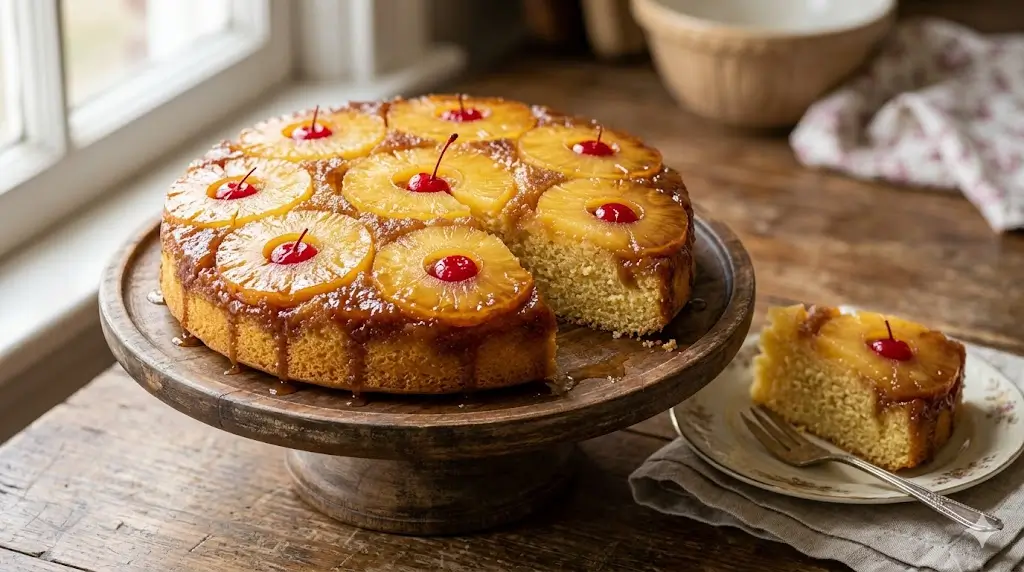
This classic pineapple upside down cake recipe delivers a perfectly tender crumb topped with a rich, caramelized fruit layer. By mastering the crucial 15-minute cooling window before the flip, you guarantee a stunning, intact presentation every time.
We’d love to see your successful flips! Try the recipe, snap a photo, and share your feedback in the comments section below. Don’t forget to subscribe to our blog for more foolproof baking tips, and if you want to explore more intricate designs later, check out our advanced cake decorating guide.
FAQs
Can I use fresh pineapple instead of canned?
Yes, you can use fresh pineapple. Ensure it is very ripe and slice it evenly. However, canned pineapple in juice is generally preferred for this recipe because its moisture content is consistent, making the caramel topping more predictable.
Why did my cake stick to the pan?
The most common reasons are not greasing the sides of the pan well enough (the caramel naturally greases the bottom), waiting too long to flip the cake (allowing the caramel to harden), or using a pan that has scratches where the sugar can catch.
Can I make this cake a day ahead?
It is best served on the day it is made, ideally slightly warm. While you can make it a day ahead and store it in the fridge, the cake base may become slightly denser as it absorbs moisture from the fruit topping.
What if some fruit stays in the pan after flipping?
Don’t panic! Simply use a spatula or a butter knife to carefully lift the stuck fruit or caramel from the pan and patch it right back onto the cake while it’s still warm. Once it cools, no one will know!


Pineapple upside down cake recipe: 7 best tips for success
Ingredients
Equipment
Method
Step 1: Prep the Oven and the Topping
Preheat your oven to 350°F (175°C). Melt the ¼ cup of butter for the topping and pour it evenly into the bottom of your ungreased 9-inch round cake pan. Sprinkle the brown sugar evenly over the melted butter.Step 2: Arrange the Fruit
Blot the pineapple slices dry with a paper towel. Arrange them in a single layer over the brown sugar mixture (usually one in the center and 5-6 around the edges). Place a maraschino cherry in the center of each pineapple slice and in any empty spaces between the slices. Gently press them down.Step 3: Whisk Dry Ingredients
In a medium bowl, whisk together the all-purpose flour, baking powder, baking soda, and salt. Set this aside.Step 4: Cream Butter and Sugar
In a large bowl using a mixer, beat the softened ½ cup of butter and granulated sugar on medium speed until pale and fluffy, about 3-4 minutes. Scrape down the sides of the bowl.Step 5: Add Wet Ingredients
Beat in the room-temperature eggs one at a time, mixing well after each addition. Mix in the vanilla extract and the sour cream until smooth.Step 6: Alternate Dry and Liquid
With the mixer on low speed, add the dry ingredients in three parts, alternating with the reserved pineapple juice in two parts (starting and ending with the dry ingredients). Mix just until the batter comes together; do not overmix. For more on the science of mixing, see our cake baking formulas and ratios.Step 7: Bake the Cake
Carefully spoon the batter over the arranged fruit in the pan, spreading it into an even layer with a spatula. Be gentle so you don't displace the fruit pattern. Bake for 40-45 minutes, or until a toothpick inserted into the center of the cake (avoiding the fruit layer) comes out clean.Step 8: The Crucial Cooling Window
Remove the cake from the oven and place it on a wire rack. Set a timer for exactly 15 minutes. This allows the cake to pull away slightly from the sides and the caramel to set just enough to adhere to the cake, but not so much that it sticks to the pan.Step 9: The Flip
After 15 minutes, run a thin knife around the very edge of the cake to loosen it. Place your serving platter upside down over the cake pan. Wearing oven mitts, hold the platter and pan tightly together and quickly invert them. Leave the pan in place for 1 minute so the caramel can drizzle down, then gently lift the pan away.