- 225 g self-raising flour (about 2 cups)
- 85 g salted butter, cold and cubed (about 6 tbsp)
- 85 g caster sugar (superfine sugar), plus extra for dusting (about ½ cup
- 1 large egg,
- )50 g currants (about ⅓ cup)
- beaten1-2 tbsp milk (only if needed to bind)Pinch of mixed spice or nutmeg (optional)Butter or lard for greasing the griddle
- beaten1-2 tbsp milk (only if needed to bind)
- Pinch of mixed spice or nutmeg (optional)
- Butter or lard for greasing the griddle
Step 1: Rub and Mix (Building the Crumb)
Begin by sifting your self-raising flour, mixed spice, and salt into a large, wide mixing bowl. Drop in your chilled, cubed butter and lard (or shortening). Using only the tips of your fingers, gently rub the fats into the flour. Lift the mixture as you rub to incorporate air. Continue this process until the mixture resembles coarse breadcrumbs or damp sand.Actionable Tip: If your hands run naturally warm, run your wrists under cold water before mixing. Keeping the fats cold is the absolute secret to a tender, flaky Welsh cake. Once you have reached the breadcrumb stage, stir in the caster sugar and currants until evenly distributed.Step 2: Bind and Roll (Shaping the Dough)
Create a small well in the center of your dry ingredients. Crack the egg into the well and add one tablespoon of milk. Using a blunt butter knife, use a cutting motion to bring the dough together. If it feels too dry and crumbly, add the second tablespoon of milk. Once it starts clumping, use your hands to gently press it into a smooth ball. Do not knead it!Transfer the dough to a lightly floured surface. Using a floured rolling pin, roll the dough out until it is exactly ¼-inch (about 5mm) thick. Use a 2.5-inch fluted pastry cutter to stamp out your rounds. Re-roll the scraps gently to use up all the dough.Step 3: Griddle to Golden Perfection (The Bakestone Bake)
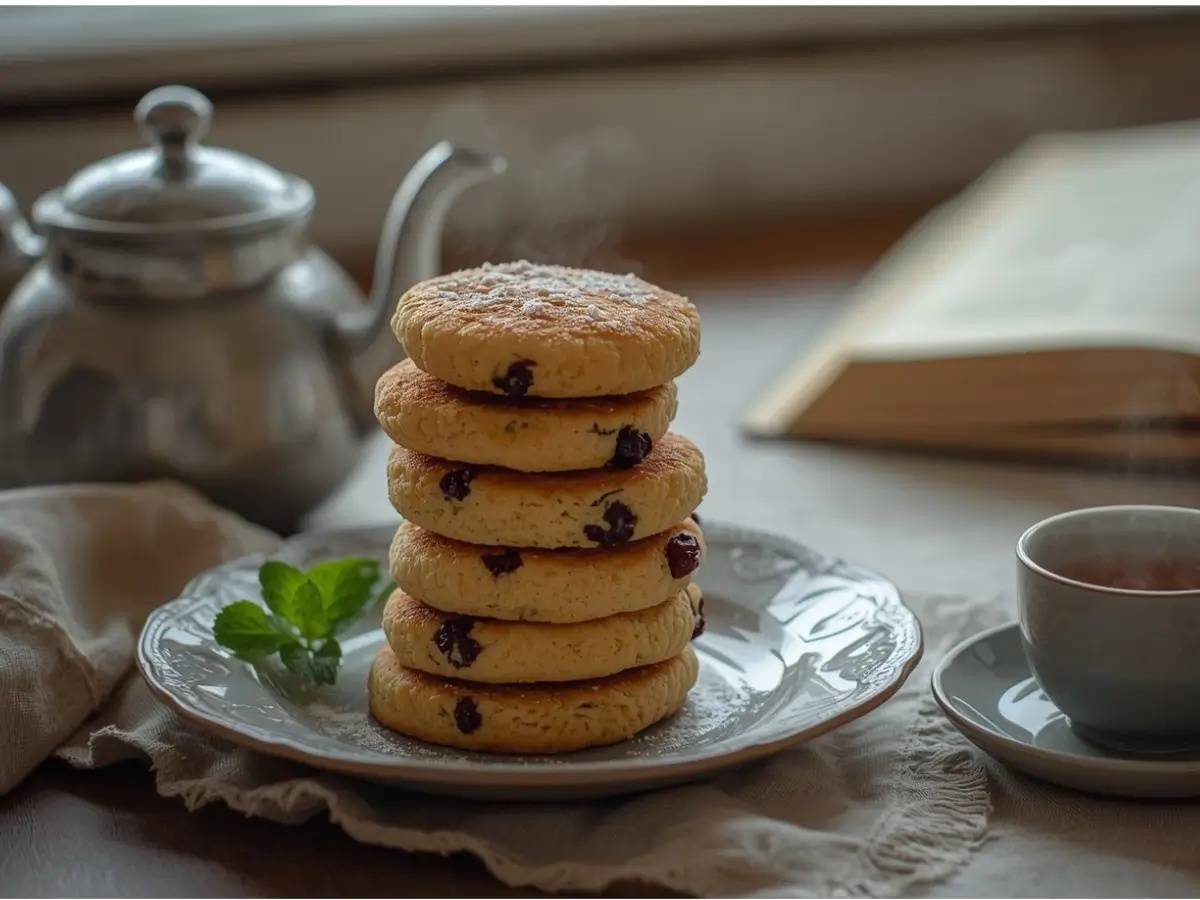
Traditionally cooked on a cast-iron bakestone, a heavy-bottomed frying pan or modern griddle works just perfectly. Heat your pan over medium-low heat. Do not add oil; instead, lightly grease the pan by wiping it with a butter wrapper or a tiny dab of shortening.Place the dough rounds onto the hot surface. Cook for 2 to 3 minutes on each side. You are looking for a beautiful, deep golden-brown crust and a slight rise. Once cooked through, immediately transfer the hot cakes to a plate and generously toss them in extra caster sugar while the butter in the crust is still warm enough to make the sugar adhere.