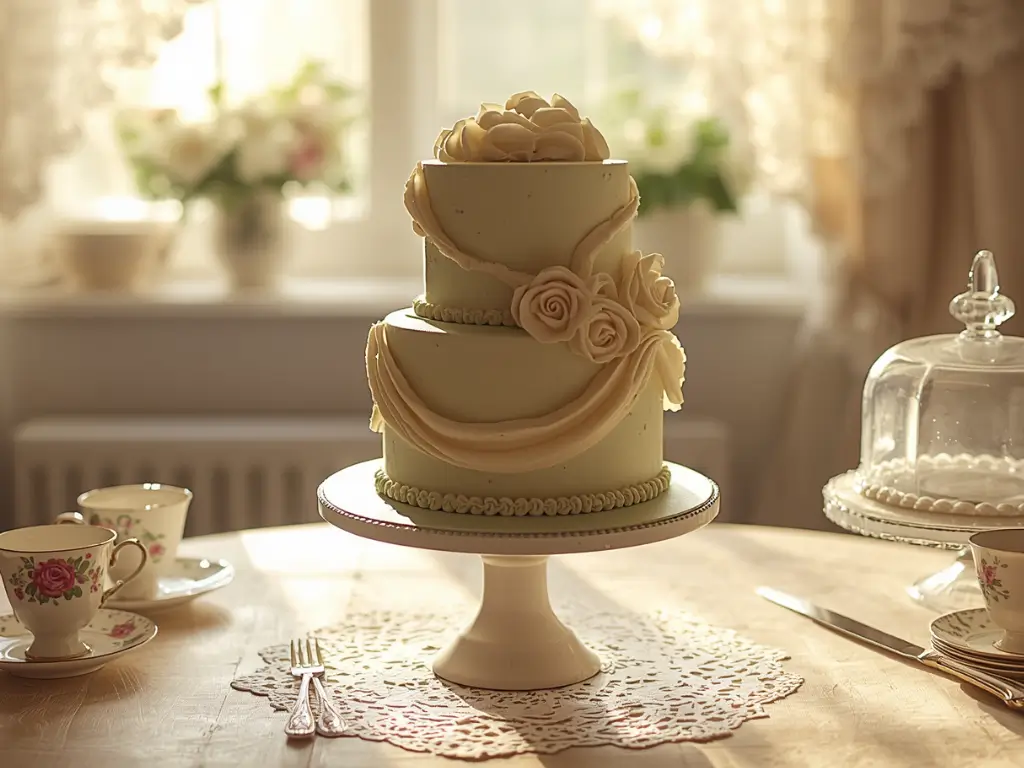
Step 1: Engineering the Structural Sponge
Begin by preheating your oven to exactly 350°F (175°C). Prepare three 8-inch round cake pans with non-stick spray and parchment paper circles. In a large bowl, sift together the all-purpose flour, natural cocoa powder, baking soda, and salt. In a separate, exceptionally large mixing bowl, whisk together the neutral oil, granulated sugar, buttermilk, eggs, extra yolks, vanilla extract, white vinegar, and pink gel food coloring until perfectly smooth and emulsified. Gradually whisk the dry ingredients into the wet ingredients just until combined. Do not overmix. Divide the heavy batter evenly among the three pans. Bake for 35 to 40 minutes. Let them cool in the pans for 20 minutes before inverting onto a wire rack. They must be completely, utterly cold before you even think about frosting them.Step 2: Mastering the Italian Meringue Chemistry
Creating IMBC requires precision. In a meticulously clean stand mixer bowl, begin whipping the 8 egg whites on medium-low speed. In a medium saucepan, combine 2 cups of sugar and the ⅔ cup of water. Place a candy thermometer in the pan and boil over medium-high heat. Do not stir it! When the syrup reaches 230°F (110°C), increase the mixer speed to medium-high and gradually rain the remaining ½ cup of sugar into the frothy egg whites.When the boiling syrup reaches exactly 240°F (115°C) — the "soft-ball" stage — immediately remove it from the heat. With the mixer running on medium-high, slowly and carefully pour the boiling syrup down the inside edge of the mixer bowl into the egg whites. Once all the syrup is added, whip on high speed for 15-20 minutes until the outside of the bowl feels completely cool to the touch.Step 3: The Emulsion Phase
Once the meringue is glossy, thick, and room temperature, switch to the paddle attachment. With the mixer on medium-low, begin adding the room-temperature European butter, one tablespoon at a time. The mixture will eventually deflate and may look curdled or soupy. This is a normal chemical reaction! Keep the mixer running, and it will magically pull together into an incredibly smooth, silky, highly stable buttercream. Add the vanilla and salt. Actionable Tip: If the buttercream remains soupy, your butter was too warm; place the bowl in the fridge for 15 minutes and whip again.Step 4: The Pristine Base Coat Foundation
Lambeth piping requires a perfectly smooth canvas. Place your first cake layer on a sturdy cake board. Fill and stack all three layers with a thin layer of IMBC. Apply a "crumb coat" to the exterior to trap any loose cake crumbs, and chill the cake in the refrigerator for 30 minutes. Once firm, apply a final, exceptionally smooth, thick layer of buttercream to the top and sides. Use a heated metal bench scraper to achieve razor-sharp 90-degree edges. You must chill this base-coated cake for at least 1 hour until the exterior is rock hard before attempting to pipe on it.Step 5: The Blueprint and Mapping Phase
Do not attempt to freehand Lambeth piping! You must create a symmetrical blueprint. While the cake is chilling, take a piece of parchment paper and cut it to the exact circumference of your cake. Fold it into equal 8ths or 16ths. Unfold it and use the creases as a template. Gently press the parchment paper against the top edge of your chilled cake to leave faint, perfectly spaced vertical guidelines. Use a specialized cake marking tool or a clean sewing pin to mark exactly where your scallops, swags, and garlands will drop on the sides of the cake.Step 6: First Layer Piping - The Structural Garlands
Divide your remaining IMBC into multiple piping bags fitted with different nozzles. The essence of The Granny Chic Renaissance Modern Lambeth Piping is "over-piping," which means piping a line, letting it chill, and piping a smaller line directly on top of it. Equip a large star tip (like a Wilton 1M or 4B) and pipe your base layer: a thick, continuous shell border around the bottom base of the cake, and a series of deep, sweeping "U-shaped" garlands around the top edge, following the guidelines you mapped out. Chill the cake for 15 minutes to set this first structural layer.Step 7: Second Layer Piping - The Intricate Over-Pipe
Once the first layer of garlands and shells is firm to the touch, equip a piping bag with a much smaller star tip (like a Wilton 18 or 21). Using steady, even pressure, pipe a second row of shells directly on top of the large shell border you piped in Step 6. Pipe a second, thinner garland directly over the large garland you piped previously. This creates the incredible 3D, stacked, maximalist effect that defines the vintage aesthetic.Step 8: Executing Gravity-Defying Drop Strings
The hallmark of Victorian piping is the delicate "drop string." Equip a piping bag with a very fine round tip (Wilton 2 or 3). Anchor the frosting at the top of one of your garlands. Gently squeeze the bag while pulling your hand away from the cake, allowing gravity to pull the frosting down into a delicate, thin, sweeping arch. Anchor the string at the other side of the garland. Repeat this process around the entire cake, overlapping the strings to create an intricate, lace-like web. Actionable Tip: If the string breaks, your buttercream is too cold or your hand is moving too quickly. Ensure your piping bag is slightly warmed by your palms.Step 9: Rosettes, Ruffles, and Maximalist Accents
Fill in any negative space with extravagant details. Use a petal tip (Wilton 104) to pipe a zig-zag ruffle around the top rim of the cake. Pipe sharp, highly textured rosettes at the peak of every garland intersection. The goal is sensory overload; there should be very little smooth space left on the cake.Step 10: Final Polish and Temperature Stabilization
Once the exhaustive piping process is complete, immediately place the cake back into the refrigerator for at least 2 hours. This deeply chills the massive volume of butterfat, cementing your intricate 3D stringwork and over-piping into a rigid structure that can withstand transportation and display.