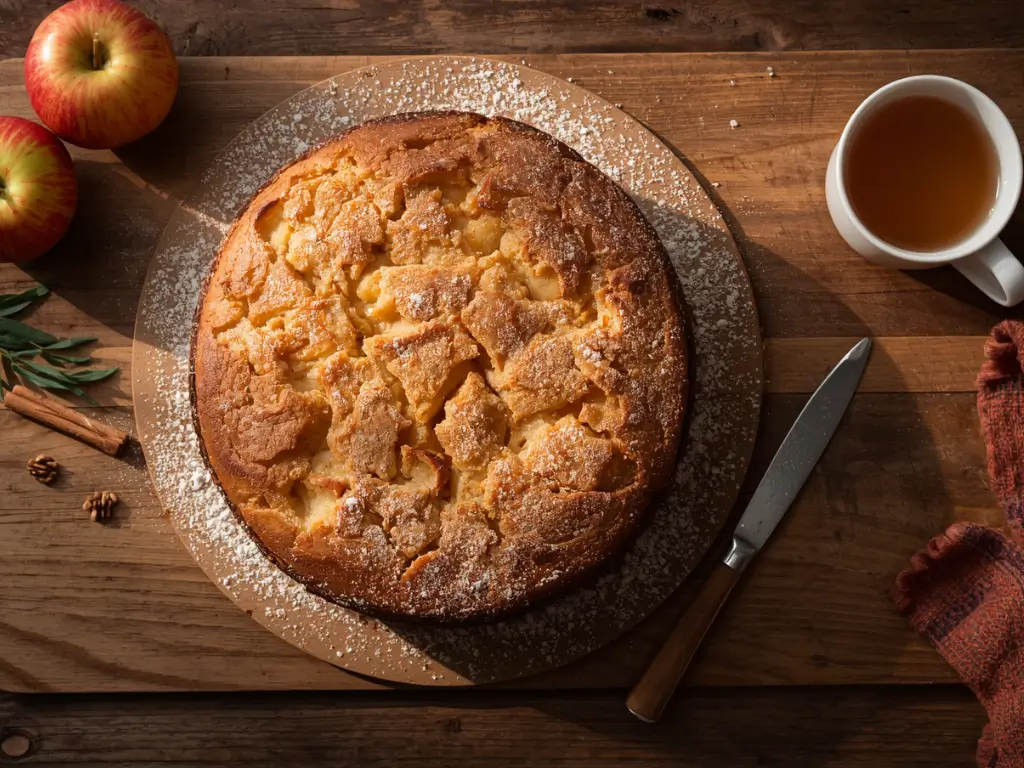
Step 1: The Maceration Secret
Peel, core, and dice your apples into 1/2-inch cubes. In a small bowl, toss them with the lemon juice and a tablespoon of the sugar from your measured ingredients. Let this sit for 10 minutes. This process, called maceration, draws out just enough moisture to prevent the apples from "leaking" into the batter during baking, which is the primary cause of soggy pockets in an apple cake recipe.Step 2: High-Volume Creaming
In your stand mixer, beat the softened butter and sugar on medium-high for 5 minutes. You are looking for a "pale and fluffy" texture. This step incorporates micro-bubbles of air that act as a secondary leavening agent. Scientific studies show that 5 minutes of creaming results in a 15% increase in final cake volume compared to just 2 minutes of mixing.Step 3: Emulsifying the Batter
Add the eggs one at a time, allowing each to be fully absorbed before adding the next. Then, stir in the vanilla bean paste. If the batter looks like it’s breaking or curdling, add a tablespoon of your flour. A stable emulsion is critical for holding the weight of the apples; without it, the fruit will sink directly to the bottom of the pan.Step 4: The Fold and Incorporate
Sift the dry ingredients (flour, baking powder, and spices) into a separate bowl. Alternately add the dry ingredients and the milk to the butter mixture, starting and ending with the flour. Finally, gently fold in the macerated apples using a spatula. Do not use the mixer for this final step; you want to distribute the fruit without crushing the delicate air pockets you've worked so hard to create.Step 5: The Low-and-Slow Bake
Pour the batter into a greased 9-inch bundt or springform pan. Bake at 325°F (165°C). While many cakes bake at 350°F, a slightly lower temperature allows the dense, fruit-heavy interior to cook through before the exterior browns too much. Bake for 45-50 minutes, or until a skewer inserted into the thickest part comes out clean.