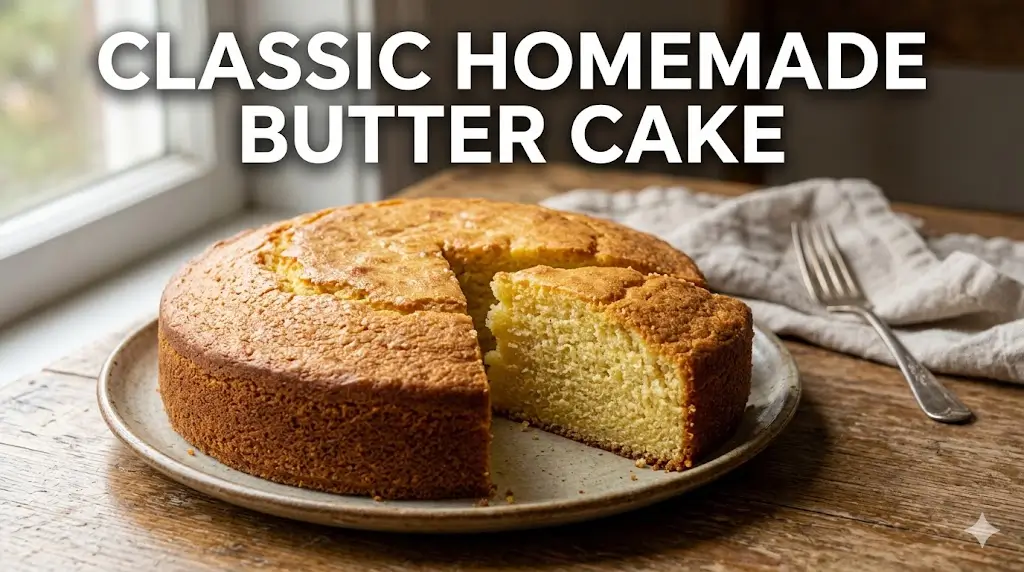
Ingredients
Equipment
Method
Step 1: Preparation and Preheat
Begin by preheating your oven to 175°C (350°F). Proper oven temperature is crucial for the cake to rise evenly. Grease your two round cake pans thoroughly with butter or non-stick baking spray. Line the bottoms with a circle of parchment paper, and lightly grease the parchment. This double-insurance method guarantees your cakes will slip out effortlessly later.Step 2: The Creaming Phase
In the bowl of your stand mixer fitted with the paddle attachment, beat the softened unsalted butter on medium speed for about 1 minute until it becomes smooth and creamy. Gradually pour in the granulated sugar. Increase the mixer speed to medium-high and cream them together for 4 to 5 minutes.Actionable Tip: Do not rush this step! The mixture should transform from a dense, yellow paste into a fluffy, pale-ivory cloud. This process forces microscopic air bubbles into the butter, which the baking powder will later expand, giving your cake its lightness. Scrape down the sides and bottom of the bowl with your rubber spatula at least twice during this process.Step 3: Incorporating the Eggs
Reduce the mixer speed to medium-low. Add the room-temperature eggs one at a time. Wait until each egg is almost completely incorporated before adding the next one. This gradual addition prevents the batter from breaking or curdling. After the final egg, pour in the pure vanilla extract and mix until just combined. Scrape down the bowl once more.Step 4: Alternating Dry and Wet Ingredients
In a separate medium bowl, whisk together the sifted cake flour, baking powder, and salt. With the mixer on the lowest speed, add one-third of the dry flour mixture to the butter mixture, mixing just until the flour disappears. Next, pour in half of the buttermilk. Add the second third of the flour, followed by the remaining buttermilk. Finish with the last third of the flour.Actionable Tip: Stop the mixer immediately once the last streak of flour vanishes. Overmixing at this stage develops gluten, resulting in a tough, rubbery crumb rather than a tender one.Step 5: Baking to Perfection
Divide the batter evenly between the two prepared cake pans. Use a kitchen scale to ensure they are exactly even, which guarantees they will finish baking at the exact same time. Smooth the tops with a spatula. Tap the pans gently on the counter twice to release any large trapped air bubbles. Bake in the center of your preheated oven for 35 to 40 minutes. You will know they are done when a toothpick inserted into the center comes out clean, or with just a few moist crumbs clinging to it, and the edges begin to pull away slightly from the sides of the pan.Step 6: Cooling and Unmolding
Remove the pans from the oven and place them directly onto a wire cooling rack. Allow the cakes to cool in their pans for exactly 15 minutes. This rest period lets the structure set. After 15 minutes, carefully invert the cakes onto the wire rack, peel off the parchment paper, and allow them to cool completely to room temperature before applying any frosting or glaze.