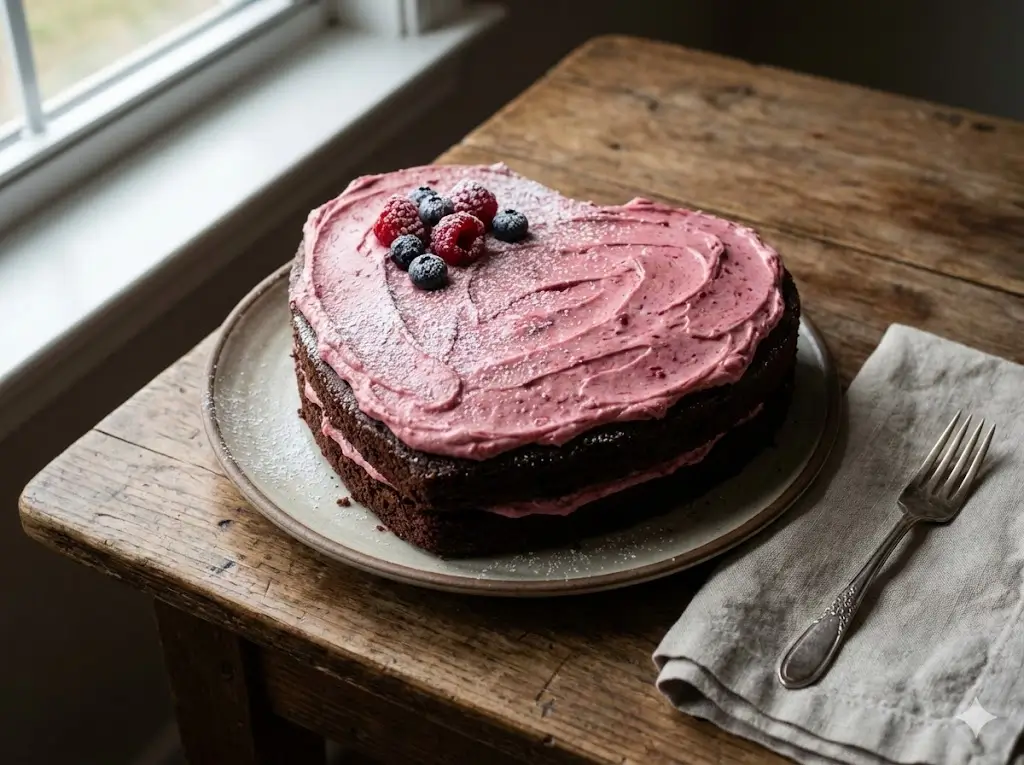
Step 1: Prep and Preheat
Preheat your oven to 350°F (175°C). Grease two 8-inch round cake pans with butter and dust with flour (or use parchment paper circles). Pro Tip: Proper pan prep reduces the risk of sticking by 95%.Step 2: The Dry Mix
In a large bowl, sift together the flour, sugar, baking soda, salt, and cocoa powder. Sifting is non-negotiable here; it aerates the ingredients, preventing dense clumps and ensuring a uniform crumb.Step 3: The Wet Emulsification
In a separate medium bowl, whisk together the oil, buttermilk, eggs, food coloring, vinegar, and vanilla. Whisk vigorously until the mixture is fully emulsified. The vinegar is reacting with the buttermilk's acidity right now—this is the science of tenderness in action.Step 4: The Fold
Pour the wet ingredients into the dry ingredients. Switch to a rubber spatula and mix gently. Semantic Variation: "Fold" the batter rather than beat it. Stop as soon as the flour streaks disappear. Over-mixing activates gluten, which is the enemy of a soft Valentine's Day cake.Step 5: The Bake
Divide the batter evenly between the prepared pans. Tap the pans on the counter twice to release large air bubbles. Bake for 28–32 minutes. Test for doneness by inserting a toothpick into the center; it should come out with a few moist crumbs, not wet batter.Step 6: The Cool Down
Let the cakes cool in the pans for 10 minutes, then transfer them to a wire rack to cool completely. Crucial: Frosting a warm cake causes the fat in the frosting to separate, leading to a sliding disaster.Step 7: The Frosting
Beat the cream cheese and butter until fluffy (about 3 minutes). Add the melted white chocolate and vanilla. Gradually add powdered sugar until smooth. This hybrid frosting offers the tang of cheesecake with the stability of ganache.Step 8: Assembly
Level the tops of the cakes with a serrated knife. Place one layer down, spread a generous amount of frosting, and top with the second layer. Coat the top and sides.