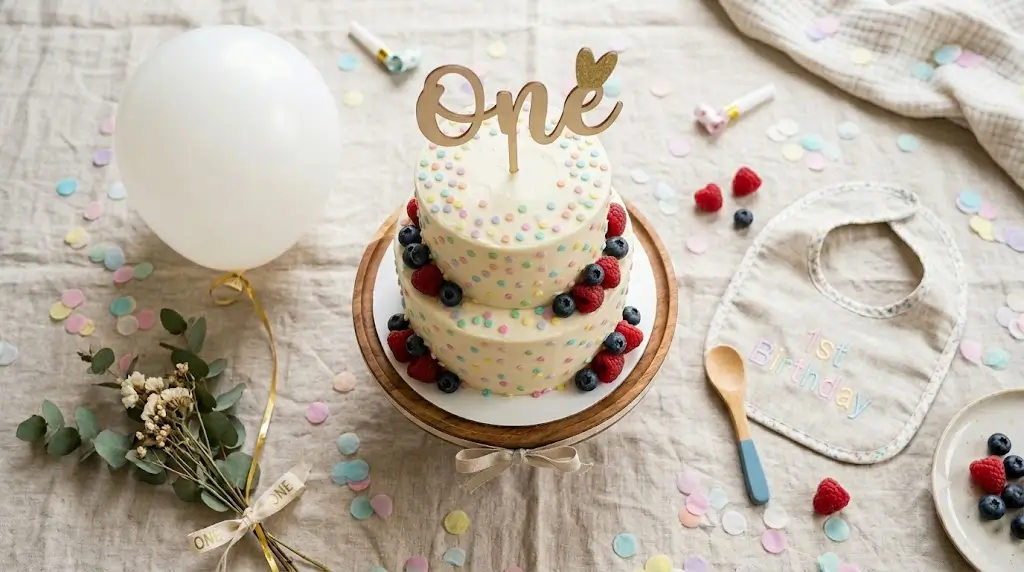
Ingredients
Equipment
Method
Step 1: Prep Your Pans and Oven
Preheat your oven to 350°F (175°C). Lightly grease the interior walls of your two 4-inch round cake pans with coconut oil, then drop a custom-cut parchment paper circle into the bottom of each. Do not skip the parchment; oat flour lacks the strong gluten network of white flour and is much more prone to sticking.Step 2: Whisk the Wet Ingredients
In a large mixing bowl, thoroughly mash your overripe bananas with the back of a fork until no large lumps remain—you want a fluid, pulpy consistency. Pour in the unsweetened applesauce, melted coconut oil, room-temperature egg, and pure vanilla extract. Whisk vigorously for 60 seconds until the mixture is completely unified and slightly frothy on top.Step 3: Combine and Fold
In a separate bowl, sift together your oat flour, baking powder, baking soda, and Ceylon cinnamon. Gently tip the dry ingredients into the wet banana mixture. Using a rubber spatula, fold the batter together using a gentle "over-and-under" motion. Stop mixing the exact moment the dry flour streaks disappear. Overmixing oat batter will result in a gummy, dense texture that is tough for a baby to break apart. If you want to brush up on perfect folding and batter aeration techniques, refer to Master the Cake: 100 Recipes From Simple to Showstopping.Step 4: Bake the Mini Tiers
Divide the batter evenly between your two prepared 4-inch pans, filling them roughly three-quarters of the way to the top. Tap the pans gently on your kitchen counter twice to pop any trapped air bubbles. Place them on the center rack of your oven and bake for 22 to 25 minutes. The cakes are done when the edges pull slightly away from the pan and a wooden toothpick inserted into the dead center emerges completely clean.Step 5: Cool and Level
Remove the pans from the oven and let them sit undisturbed on a wire rack for 10 minutes. Gently run a butter knife around the edges, invert the cakes onto the rack, peel off the parchment paper, and let them cool completely to room temperature. Once cool, use a serrated bread knife to gently shave off the slightly rounded dome on top of each layer, creating two perfectly flat, stackable cylinders. For visual guides on achieving flawless structural symmetry, consult Mastering the Art of Traditional Layer Cakes.Step 6: Whip the Frosting and Assemble
While the cakes cool, pour your cold heavy whipping cream into a chilled metal bowl and whip at high speed until stiff peaks form. In another bowl, stir the Greek yogurt and maple syrup together until smooth. Gently fold the whipped cream into the yogurt until you have a thick, luxurious, spreadable mousse. Place your first cake layer on a small cake stand, spread a generous ½-inch layer of frosting over the top, and place the second layer upside-down on top (so the flat bottom faces up). Use your offset spatula to apply a rustic, swooshy coat of frosting around the exterior.