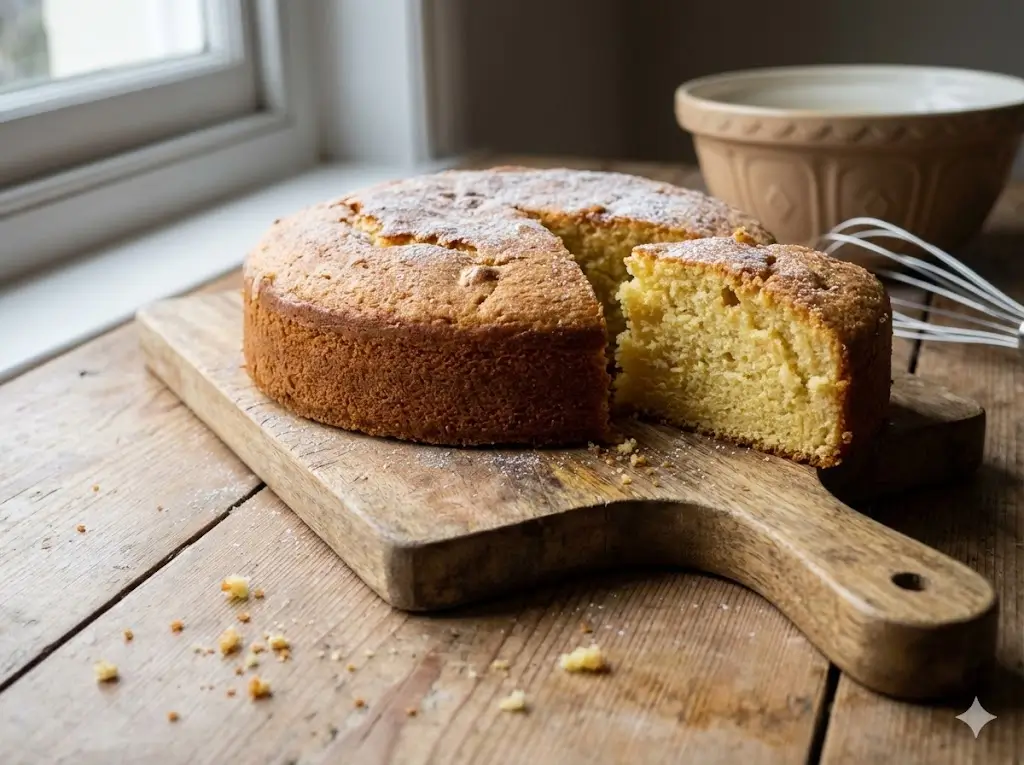
Step 1: The "Mise en Place" and Prep
Before you crack a single egg, preheat your oven to $350^{circ}F$ ($175^{circ}C$). Use an independent oven thermometer; data shows that 40% of home ovens are off by at least $25^{circ}F$. Grease your pans with butter and line the bottoms with parchment paper. This is non-negotiable for a clean release.Step 2: Aerating the Fats and Sugars
Place your room-temperature butter and granulated sugar in a stand mixer. Beat on medium-high for 5 full minutes. Most bakers stop at 2 minutes, but you are looking for a "pale and fluffy" state. This process creates millions of tiny air pockets that the baking powder will later expand.Step 3: Emulsifying the Liquids
Add eggs one at a time, beating for 30 seconds after each addition. If the batter looks curdled, add a tablespoon of your measured flour to help the emulsion bind. This ensures your cake won't have a "greasy" bottom.Step 4: The Dry-Wet Alternation
Reduce your mixer speed to the lowest setting. Add 1/3 of your dry ingredients, followed by 1/2 of your liquid (buttermilk or milk), and repeat. Pro Tip: Stop mixing the moment the last streak of flour disappears. Over-mixing activates gluten, turning a soft cake into a bread-like texture.Step 5: The Bake and The "Toothpick Test"
Divide the batter equally. Bake in the center rack. Avoid opening the oven door during the first 20 minutes, as the sudden drop in temperature can cause the delicate air bubbles to collapse. Test with a wooden skewer; it should come out with a few moist crumbs attached, not completely clean (which indicates over-baking).