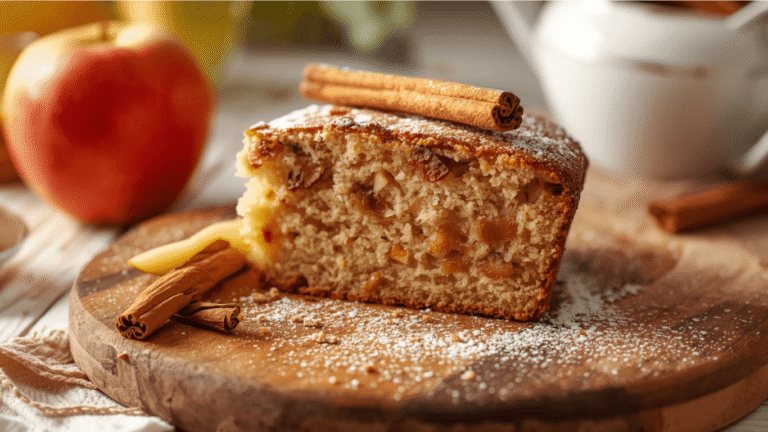
Did you know that over 70% of health-conscious individuals struggle to find baked goods that satisfy their sweet tooth without causing a massive spike in blood sugar? It is a common dietary dilemma that challenges the traditional belief that a delicious dessert must be heavily laden with refined white sugar and unhealthy saturated fats. The culinary world has evolved, and the answer to this modern craving is simpler than you might think. By mastering a healthy date cake, you can unlock a world of natural sweetness, deep caramel flavors, and incredible moisture, all while maintaining your nutritional goals. Incorporating nutrient-dense ingredients into our daily treats allows us to indulge without the heavy guilt.
Quick Answer
To make a moist and delicious healthy date cake, soak 1.5 cups of pitted Medjool dates in 1 cup of boiling water mixed with 1 teaspoon of baking soda for 15 minutes. Mash the dates into a paste, then blend with 1/4 cup melted coconut oil, 2 eggs, and 1 teaspoon of vanilla extract. Fold in 1.5 cups of whole wheat pastry flour and 1 teaspoon of baking powder until just combined. Bake in a greased 8×8 inch pan at 350°F (175°C) for 30-35 minutes until a toothpick comes out clean.
Creating a dessert that relies on whole foods is incredibly rewarding. Just as home bakers look to the ultimate guide to heirloom retro cakes to connect with culinary history, using dates connects us to one of the world’s oldest and most revered natural sweeteners.
Ingredients List
To achieve the perfect balance of a rich, tender crumb and deep, complex sweetness without relying on processed sugars, ingredient selection is absolutely critical. This recipe uses wholesome, pantry-friendly items that work in perfect harmony.
- Medjool Dates (1.5 cups, pitted and chopped): The undeniable star of the recipe. Medjool dates are larger, softer, and possess a richer, more caramel-like flavor profile than standard Deglet Noor dates. They break down beautifully to sweeten the batter naturally.
- Boiling Water (1 cup): Essential for softening the dates and creating the luscious paste that forms the moisture base of the cake.
- Baking Soda (1 teaspoon): Added directly to the boiling water and dates. It breaks down the fibrous skins of the dates and reacts to create a darker, richer color.
- Whole Wheat Pastry Flour (1.5 cups): Provides a tender, delicate crumb while adding beneficial dietary fiber. It is lighter than standard whole wheat flour but far more nutritious than bleached all-purpose flour.
- Coconut Oil (1/4 cup, melted): A fantastic source of healthy fats that provides incredible moisture. Ensure it is unrefined if you enjoy a subtle coconut aroma, or refined if you prefer a neutral taste.
- Large Eggs (2, room temperature): The primary binding agent that gives the cake its structure and stability.
- Pure Vanilla Extract (1 teaspoon): Enhances the natural butterscotch notes of the dates.
- Baking Powder (1 teaspoon): Works alongside the baking soda to provide the necessary lift, keeping the cake fluffy and preventing it from becoming overly dense.
- Cinnamon and Nutmeg (1/2 teaspoon each): These warming spices elevate the flavor profile, bringing out the earthy sweetness of the fruit.
If you are interested in exploring how warming spices interact with natural fruit sweeteners, you will find excellent inspiration in the flavor alchemist a guide to creative cake pairings.
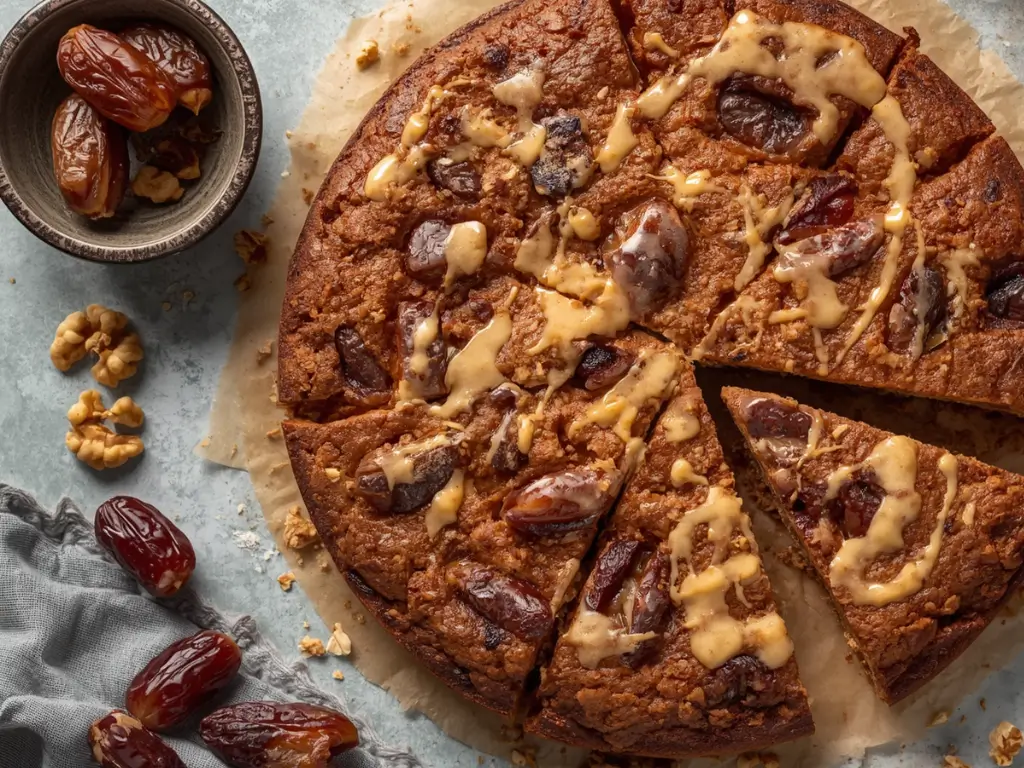
Equipment to Baking This Recipe
You do not need a commercial kitchen to produce a phenomenal wholesome dessert, but having reliable tools ensures your process is smooth and your results are perfectly consistent. For a deeper dive into outfitting your baking space, check out the modern bakers essential toolbox 7 best tips.
- 8×8 Inch Square Baking Pan: Light-colored metal or glass works best for even heat distribution.
- Parchment Paper: Crucial for lining the pan to ensure your sticky, date-rich cake releases perfectly without tearing.
- Heatproof Mixing Bowl: For soaking the dates in the boiling water and baking soda mixture safely.
- Potato Masher or Fork: For breaking down the softened dates into a textured paste.
- Large Mixing Bowl and Whisk: For combining the dry and wet ingredients efficiently.
- Silicone Spatula: The best tool for gently folding the delicate batter without overmixing.
Timing
Baking with whole foods does not mean spending your entire day in the kitchen. This recipe is designed for maximum flavor with minimal active effort.
- Preparation Time: 20 minutes (includes date soaking time)
- Cooking Time: 35 minutes
- Total Time: 55 minutes
Data Insight: Clocking in at just under an hour, this recipe requires roughly 30% less active preparation time than traditional, heavily frosted desserts, making it a highly accessible option for busy weekends or quick weeknight baking.
Step-by-Step Instructions
Step 1: The Crucial Date Soak
Begin by preheating your oven to 350°F (175°C). Line your 8×8 inch baking pan with parchment paper, leaving a slight overhang on the edges for easy removal. Place your chopped, pitted Medjool dates into a heatproof bowl. Sprinkle the baking soda evenly over the dates, then pour the rapidly boiling water directly on top. Let this mixture sit completely undisturbed for 15 minutes. This step is non-negotiable; the baking soda aggressively breaks down the tough date skins.
Step 2: Creating the Sweet Paste
After 15 minutes, the water will have turned a murky, dark brown, and the dates will be incredibly soft. Use a potato masher or a sturdy fork to mash the dates and the soaking liquid together until it forms a thick, chunky paste. You do not need a perfectly smooth puree; small chunks of date add wonderful, sticky bursts of flavor to the final cake.
Step 3: Mixing the Wet Ingredients
Into the warm date paste, vigorously whisk the melted coconut oil and the pure vanilla extract. Once the mixture has cooled slightly (so as not to scramble the eggs), whisk in the room-temperature eggs one at a time, ensuring each egg is fully incorporated before adding the next. This creates a beautifully emulsified, rich liquid base.
Step 4: Incorporating the Dry Ingredients
In a separate medium bowl, whisk together your whole wheat pastry flour, baking powder, cinnamon, and nutmeg. Properly aerating the dry ingredients prevents dense pockets of flour in your final bake, a technique often highlighted in master the cake 100 recipes from simple to showstopping.
Step 5: The Gentle Fold
Pour the dry flour mixture into the wet date mixture. Switch to a flexible silicone spatula and gently fold the ingredients together. Use a sweeping motion, scraping the bottom of the bowl and pulling the batter over itself. Stop mixing the exact moment you no longer see any dry streaks of flour. Overmixing develops the gluten in the whole wheat flour, which can lead to a tough, bready texture rather than a tender cake crumb. This gentle approach is a hallmark of the techniques detailed in mastering the art of traditional layer cakes.
Step 6: Baking and Cooling
Transfer the batter to your prepared baking pan, smoothing the top into an even layer with your spatula. Bake on the center rack of your preheated oven for 30 to 35 minutes. Test for doneness by inserting a wooden toothpick into the center; it should emerge clean or with a few moist crumbs, but no wet batter. Allow the cake to cool in the pan for 15 minutes before using the parchment overhang to lift it onto a wire rack to cool completely.
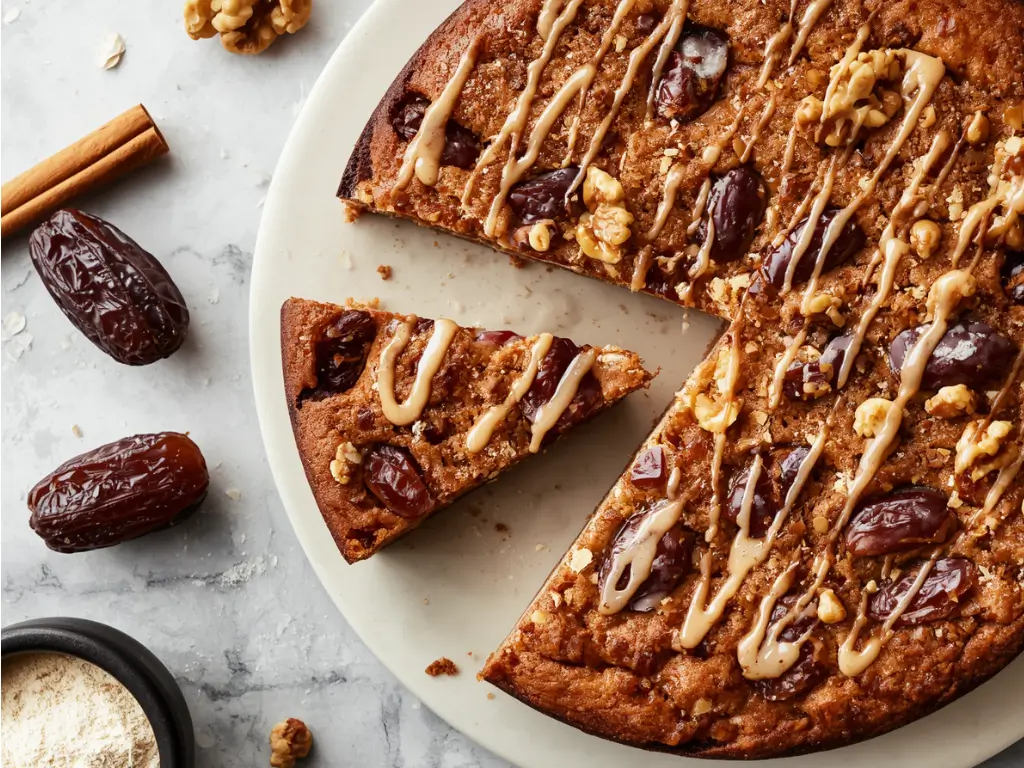
Nutritional Information
Understanding the macro and micronutrients of your baked goods helps you make informed, balanced dietary choices. This cake is exceptionally rich in natural minerals thanks to the heavy use of whole dates.
- Calories: 180 kcal per slice (based on 12 servings)
- Total Fat: 6g
- Saturated Fat: 4g
- Carbohydrates: 30g
- Dietary Fiber: 4g
- Sugars: 18g (100% naturally occurring from the dates)
- Protein: 4g
- Potassium: 8% Daily Value
- Magnesium: 6% Daily Value
Data Insight: Compared to a slice of standard chocolate cake with buttercream frosting, which often exceeds 400 calories and 35g of refined sugar, this recipe offers a 55% reduction in calories and completely eliminates processed sugars, replacing them with high-fiber, low-glycemic natural fruit sugars.
Healthier Alternatives for the Recipe
The beauty of this wholesome recipe lies in its extreme versatility. Adapting bakes to fit specific dietary needs or pantry constraints is easier than ever.
- Vegan Adaptation: To make this completely plant-based, omit the two eggs and substitute them with “flax eggs” (mix 2 tablespoons of ground flaxseed with 6 tablespoons of water and let sit for 5 minutes until gelled). This swap maintains moisture and adds an extra boost of Omega-3 fatty acids.
- Gluten-Free Modification: Swap the whole wheat pastry flour for an equal volumetric amount of a high-quality, 1-to-1 gluten-free baking blend that contains xanthan gum. Almond flour can also be used for a denser, more pudding-like texture, though it will significantly alter the final structure.
- Oil-Free Baking: If you are strictly monitoring your fat intake, you can replace the melted coconut oil with an equal amount of unsweetened applesauce or mashed ripe banana. Note that the cake will be slightly less tender and more bread-like, but still incredibly delicious.
Serving Suggestions
A cake this naturally flavorful requires very little adornment, but a few thoughtful pairings can elevate it from a simple snack to an elegant, show-stopping dessert. Aligning your garnishes with the changing seasons is a wonderful practice, as explored in the year-round seasonal cake calendar.
- The Rustic Breakfast: Serve a warm slice entirely on its own alongside a steaming cup of dark roast coffee or spicy chai tea. The complex notes of the coffee beautifully enhance the caramel flavor of the dates.
- The Afternoon Tea: Top the cooled cake with a light dusting of powdered sugar and serve with a dollop of unsweetened Greek yogurt. The tartness of the yogurt perfectly cuts through the intense sweetness of the date crumb.
- The Elegant Dinner Party: For a sophisticated, modern presentation that mirrors the aesthetics in modern design the 2025 cake trend report, serve the cake warm with a drizzle of tahini or natural almond butter, and a scoop of vanilla bean coconut ice cream.
- The Holiday Centerpiece: During the festive months, top the cake with a homemade vegan caramel sauce (made from blended dates and cashew butter) and toasted, chopped pecans. This rich, decadent presentation makes it a worthy addition to the definitive holiday showstopper guide.
Common Mistakes to Avoid
Even though this recipe is incredibly forgiving, a few technical missteps can compromise the final texture. Avoid these common pitfalls to ensure perfect results.
- Skipping the Baking Soda Soak: Do not rush the 15-minute soaking process. The baking soda is not just for leavening; it fundamentally breaks down the tough fibers of the dates, allowing them to form a cohesive, smooth paste. Skipping this results in a dry cake with hard, unpalatable lumps of fruit.
- Using Dry, Old Dates: Medjool dates should be plump, soft, and slightly sticky to the touch. If your dates have been sitting in the pantry for months and are rock-hard, they will not absorb enough water during the soak to adequately hydrate the cake batter.
- Overmixing the Batter: Once the flour hits the wet ingredients, fold with a light hand. Vigorously stirring the batter will activate the gluten in the whole wheat flour, resulting in a rubbery, tough crumb rather than a light, tender cake.
- Baking at the Wrong Temperature: Because this cake relies heavily on natural fruit sugars, it is highly susceptible to burning if your oven runs too hot. Invest in an inexpensive oven thermometer to ensure you are baking at a true 350°F.
Storing Tips for the Recipe
Because this bake relies on fruit purees for moisture rather than heavy chemical preservatives, understanding proper storage is essential to extending its shelf life. For more brilliant strategies on managing leftover portions, consult the small batch baking the cakes for two handbook.
- Room Temperature: If you plan to consume the cake within 48 hours, store it in an airtight container on the counter. The date paste acts as a natural humectant, meaning the cake will actually become slightly softer and more flavorful on the second day.
- Refrigerator Storage: For longer storage, wrap the fully cooled cake tightly in plastic wrap and place it in the refrigerator for up to a week. Serve chilled or let it come to room temperature before eating.
- Freezing: This cake is incredibly freezer-friendly. Cut the completely cooled cake into individual portions, wrap each slice tightly in plastic wrap, and store them in a heavy-duty freezer bag for up to 3 months. Thaw individual slices overnight in the fridge or pop them in the microwave for 20 seconds for an instant, warm dessert.
Conclusion
This incredibly moist and perfectly sweet cake proves that wholesome ingredients can create phenomenal desserts. By utilizing natural dates, you eliminate refined sugars without sacrificing flavor or texture. We invite you to try the recipe, share your feedback in the review section, leave a comment, and subscribe for updates!
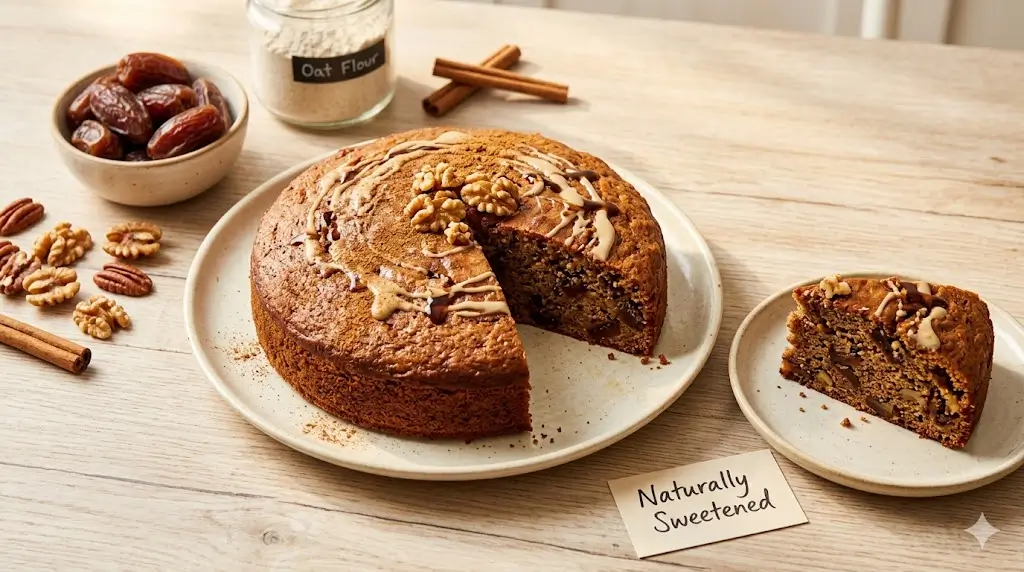
healthy date cake 7 best tips for baking
Ingredients
Equipment
Method
Step 1: The Crucial Date Soak
Begin by preheating your oven to 350°F (175°C). Line your 8×8 inch baking pan with parchment paper, leaving a slight overhang on the edges for easy removal. Place your chopped, pitted Medjool dates into a heatproof bowl. Sprinkle the baking soda evenly over the dates, then pour the rapidly boiling water directly on top. Let this mixture sit completely undisturbed for 15 minutes. This step is non-negotiable; the baking soda aggressively breaks down the tough date skins.Step 2: Creating the Sweet Paste
After 15 minutes, the water will have turned a murky, dark brown, and the dates will be incredibly soft. Use a potato masher or a sturdy fork to mash the dates and the soaking liquid together until it forms a thick, chunky paste. You do not need a perfectly smooth puree; small chunks of date add wonderful, sticky bursts of flavor to the final cake.Step 3: Mixing the Wet Ingredients
Into the warm date paste, vigorously whisk the melted coconut oil and the pure vanilla extract. Once the mixture has cooled slightly (so as not to scramble the eggs), whisk in the room-temperature eggs one at a time, ensuring each egg is fully incorporated before adding the next. This creates a beautifully emulsified, rich liquid base.Step 4: Incorporating the Dry Ingredients
In a separate medium bowl, whisk together your whole wheat pastry flour, baking powder, cinnamon, and nutmeg. Properly aerating the dry ingredients prevents dense pockets of flour in your final bake, a technique often highlighted in master the cake 100 recipes from simple to showstopping.Step 5: The Gentle Fold
Pour the dry flour mixture into the wet date mixture. Switch to a flexible silicone spatula and gently fold the ingredients together. Use a sweeping motion, scraping the bottom of the bowl and pulling the batter over itself. Stop mixing the exact moment you no longer see any dry streaks of flour. Overmixing develops the gluten in the whole wheat flour, which can lead to a tough, bready texture rather than a tender cake crumb. This gentle approach is a hallmark of the techniques detailed in mastering the art of traditional layer cakes.Step 6: Baking and Cooling
Transfer the batter to your prepared baking pan, smoothing the top into an even layer with your spatula. Bake on the center rack of your preheated oven for 30 to 35 minutes. Test for doneness by inserting a wooden toothpick into the center; it should emerge clean or with a few moist crumbs, but no wet batter. Allow the cake to cool in the pan for 15 minutes before using the parchment overhang to lift it onto a wire rack to cool completely.